
.jpeg)
What are the symptoms of prostate cancer?
Prostate cancer is one of the most common malignant tumors in men, and its incidence has gradually increased in recent years. Prostate cancer may not cause obvious signs or symptoms in the early stages, but as the disease progresses, advanced prostate cancer may cause a variety of signs and symptoms, seriously affecting the patient's quality of life.
Difficulty urinating is one of the common symptoms in patients with advanced prostate cancer. As the cancerous mass gradually increases, it may compress the urethra, causing the patient to have progressive urination difficulties, manifested by thinning of the urine stream, shortened range, inability to urinate, interruption of the urinary line, and post-urinary dripping. In severe cases, patients may even experience problems such as hematuria, urinary incontinence, and urinary retention.
In addition, prostate cancer may cause symptoms such as inability to urinate, blood in the urine, and blood in the semen. The appearance of these symptoms often means that the condition is serious and requires timely medical treatment.
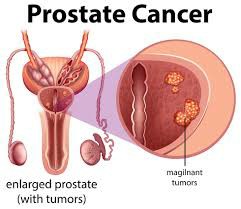
In addition to urinary abnormalities, patients with advanced prostate cancer may also experience bone pain. This is because prostate cancer is prone to metastasis, especially bone metastasis. When tumors metastasize to bones, patients may experience severe bone pain and even pathological fractures.
It's worth noting that prostate cancer can also cause unintentional weight loss. This may be due to excessive proliferation of tumor cells, resulting in abnormal hormone levels in the body, which in turn affects the patient's appetite and digestive function. In addition, during the treatment of prostate cancer, chemotherapy and other drugs may also cause side effects such as nausea and vomiting, which may further lead to weight loss.
Erectile dysfunction is also one of the symptoms that patients with advanced prostate cancer may experience. When prostate cancer invades the corpus cavernosum or metastasizes, it may affect the normal erectile function of the penis.
For the treatment of prostate cancer, doctors will develop a personalized treatment plan based on the patient's specific situation. Commonly used treatments include surgery, radiotherapy, chemotherapy, endocrine therapy, etc. At the same time, patients should also pay attention to maintaining a good lifestyle and undergo regular physical examinations for early detection and treatment of prostate cancer.
In summary, late-stage prostate cancer may cause a variety of signs and symptoms that seriously affect the patient's quality of life. Therefore, early diagnosis and treatment of prostate cancer are crucial. If relevant symptoms occur, patients should seek medical treatment promptly and follow the doctor's instructions for treatment.
(Click to view an introduction to drugs for treating prostate cancer)
xa0
Reference materials:https://www.nhs.uk/conditions/prostate-cancer/symptoms/
[ 免责声明 ] 本页面内容来自公开渠道(如FDA官网、Drugs官网、原研药厂官网等),仅供持有医疗专业资质的人员用于医学药学研究参考,不构成任何治疗建议或药品推荐。所涉药品可能未在中国大陆获批上市,不适用于中国境内销售和使用。如需治疗,请咨询正规医疗机构。本站不提供药品销售或代购服务。


