
.jpeg)
What are the precautions for cimepilimab?
Cemiplimab (Cemiplimab) in the treatment of cutaneous squamous cell carcinoma (CSCC), basal cell carcinoma (BCC), non-small cell lung cancer (NSCLC) In clinical studies, warnings and precautions such as serious and fatal immune-mediated adverse reactions, infusion-related reactions, allogeneiccomplications of HSCT, embryonic-fetal toxicity have emerged. Discontinue and resume at reduced dose upon recovery, or permanently discontinue based on severity.
1. Serious and fatal immune-mediated adverse reactions: Cimepilimab is a monoclonal antibody that belongs to a class of drugs that bind programmed death receptor-1 (PD-1) or PD-ligand 1 (PD-L1), blocking the PD-1/PD-L1 pathway, thereby releasing the suppression of immune responses, potentially breaking peripheral tolerance and inducing immune-mediated adverse reactions. The incidence and severity of immune-mediated adverse reactions were similar when cimepilimab was used alone or in combination with chemotherapy. Immune-mediated adverse reactions may be serious or fatal and may occur in any organ system or tissue.
Early identification and management of immune-mediated adverse reactions is critical to ensuring the safe use ofPD-1/PD-L1 blocking antibodies. Monitor closely for signs and symptoms that may be clinical manifestations of potential immune-mediated adverse reactions. These include immune-mediated pneumonia, colitis, endocrine diseases, nephritis with renal insufficiency, adverse skin reactions, etc. Liver enzymes, creatinine, and thyroid function were assessed at baseline and periodically during treatment. In cases of suspected immune-mediated adverse reactions, initiate appropriate testing to rule out alternative causes, including infection. Establish medical management promptly, including appropriate professional consultation.
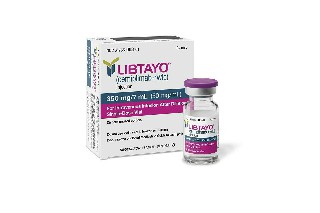
2. Infusion-related reactions: Among patients who received cimipilimab monotherapy,0.2% experienced serious or life-threatening infusion-related reactions. Monitor patients for signs and symptoms of infusion-related reactions. Common symptoms of infusion-related reactions include nausea, fever, and vomiting. Depending on the severity of the reaction, interrupt or slow the infusion rate or permanently discontinue cimipilimab.
3. AllogeneicComplications of HSCT: Patients who receive allogeneic hematopoietic stem cell transplantation (HSCT) before or after receivingPD-1/PD-L1 blocking antibody therapy may develop fatal and other serious complications. Transplant-related complications include hyperacute graft-versus-host disease (GVHD), acute GVHD, chronic GVHD, hepatic veno-occlusive disease (VOD) following reduced-intensity conditioning, and steroid-requiring febrile syndrome (without a clear infectious cause). AlthoughThese complications may still occur with intervening treatments between PD-1/PD-L1 blockade and allogeneic HSCT. Follow patients closely for evidence of transplant-related complications and intervene promptly. Consider the pros and cons of using PD-1/PD-L1 blocking antibody therapy before or after allogeneic HSCT.
4. Embryonic-Fetotoxicity: According to its mechanism of action, cimepilimab can cause harm to the fetus when administered to pregnant women. Animal studies have shown that inhibition of the PD-1/PD-L1 pathway can lead to an increased risk of immune-mediated rejection in the developing fetus, leading to fetal death. Inform women of the potential risk to the fetus. Advise females of reproductive potential to use effective contraception during treatment with cimipilimab and for at least 4 months after the last dose.
Reference materials:https://dailymed.nlm.nih.gov/dailymed/drugInfo.cfm?setid=4347ae1f-d397-4f18-8b70-03897e1c054a
[ 免责声明 ] 本页面内容来自公开渠道(如FDA官网、Drugs官网、原研药厂官网等),仅供持有医疗专业资质的人员用于医学药学研究参考,不构成任何治疗建议或药品推荐。所涉药品可能未在中国大陆获批上市,不适用于中国境内销售和使用。如需治疗,请咨询正规医疗机构。本站不提供药品销售或代购服务。


