
.jpeg)
How lapatinib works
Lapatinib, as an oral small molecule epidermal growth factor tyrosine kinase inhibitor, has attracted widespread attention in the field of breast cancer treatment with its unique dual inhibitory function since its birth. This drug can simultaneously target and inhibit the tyrosine kinase activity of epidermal growth factor receptor (EGFR) and human epidermal growth factor receptor 2 (HER2), thereby blocking the growth and spread signals of cancer cells at the molecular level.
Lapatinib in combination with capecitabine is used to treat patients with advanced or metastatic (cancer that has spread) who have not responded well to other cancer treatments (such as anthracyclines, taxanes, trastuzumab)HER2 receptor-positive cancer. Lapatinib is also used with letrozole to treat postmenopausal women with hormone receptor-positive and HER2-receptor-positive metastatic cancer.
Lapatinib is an antineoplastic drug (cancer drug). It interferes with the growth of cancer cells and is eventually destroyed. Since normal cell growth may also be affected by the drug, other unwanted effects may also occur. Some of these may be serious and must be reported to your doctor.
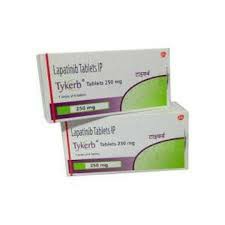
In clinical application, lapatinib is mainly used to treat patients with advanced breast cancer or metastatic breast cancer with HER2 overexpression. These patients often have received multiple conventional treatments, including anthracyclines, taxanes, and trastuzumab, but their disease still progresses. Combination therapy with lapatinib and capecitabine provides a new treatment option for these patients. Studies have shown that this combination therapy can significantly extend patients' progression-free survival and improve their quality of life.
The efficacy of lapatinib is not only reflected in its ability to inhibit the growth and spread of cancer cells, but also in its ability to induce apoptosis in cancer cells. Apoptosis is a programmed cell death process that helps remove damaged or redundant cells from the body. By inhibiting the activity of signaling pathways, lapatinib can promote apoptosis and death of cancer cells, thereby achieving anti-tumor effects.
Of course, any drug has its potential risks and adverse effects. Lapatinib may also cause a series of adverse reactions during treatment, such as gastrointestinal reactions, rash, hand-foot syndrome, etc. Therefore, patients need to pay close attention to their physical condition when receiving lapatinib treatment and conduct scientific self-management and care under the guidance of a doctor. At the same time, doctors will also formulate personalized treatment plans based on the patient's specific conditions to maximize the efficacy of the drug and reduce the occurrence of adverse reactions.
Currently, the original research version of lapatinib has been launched globally. Its specification is 70 tablets containing 250mg per bottle, and the market price is approximately 6,000 yuan. At the same time, it is reported that generic versions of lapatinib are already on the market in places such as India and Bangladesh. The generic version of 30 tablets is sold overseas for about 600 to 900 yuan. For patients who need to purchase a generic version of lapatinib, it is recommended to consult a professional overseas medical consulting agency.
xa0
Reference materials:https://www.mayoclinic.org/zh-hans/drugs-supplements/lapatinib-oral-route/description/drg-20070910
[ 免责声明 ] 本页面内容来自公开渠道(如FDA官网、Drugs官网、原研药厂官网等),仅供持有医疗专业资质的人员用于医学药学研究参考,不构成任何治疗建议或药品推荐。所涉药品可能未在中国大陆获批上市,不适用于中国境内销售和使用。如需治疗,请咨询正规医疗机构。本站不提供药品销售或代购服务。


