
.jpeg)
Resistance management of cimepilimab
Cemiplimab has been approved as the first immunotherapy drug for the treatment of locally advanced or metastatic cutaneous squamous cell carcinoma (CSCC) in patients who are not candidates for curative surgery or radiation therapy. Cimepilimab is a high-affinity human monoclonal antibody directed againstPD-1. The strong responsiveness of CSCCs to cimepilimab has been confirmed in multiple trials. In these clinical trials, response rates ranged from 41% to 53%, and durable disease control rates ranged from 57% to 65%. Efficacy is similar in the treatment of metastatic and locally advanced cutaneous squamous cell carcinoma.
Cimepilimab enhances the immune response of T cells by blocking the interaction between PD-1 and its ligand PD-L1. However, tumor cells may evade immune surveillance through a variety of mechanisms, such as upregulating PD-L1 expression, changing the tumor microenvironment, activating other immunosuppressive pathways, etc. In addition, genetic variations and epigenetic changes in tumor cells can also lead to immune evasion, thereby reducing the efficacy of cimepilimab.
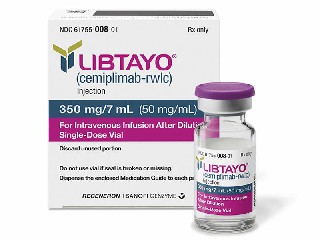
Combination therapy is an effective strategy in dealing with drug resistance. Studies have shown that cimepilimab can enhance the anti-tumor effect when used in combination with other anti-tumor drugs or immunotherapy. For example, combining cimepilimab with chemotherapy drugs, targeted drugs or other immune checkpoint inhibitors can synergistically enhance the activity of the immune system and overcome the immune evasion of tumor cells. In addition, the use of new therapies, such as tumor vaccines or cell therapies, may also provide new treatment options for drug-resistant patients.
Developing personalized treatment plans based on the patient's tumor characteristics, genomic information, and immune status can improve efficacy and reduce unnecessary side effects. For example, for patients who develop drug resistance after using cimepilimab, genomic analysis to search for possible drug resistance gene mutations or biomarkers can help doctors adjust treatment strategies and choose more appropriate treatments.
Reference materials:https://pmc.ncbi.nlm.nih.gov/articles/PMC8533861/
[ 免责声明 ] 本页面内容来自公开渠道(如FDA官网、Drugs官网、原研药厂官网等),仅供持有医疗专业资质的人员用于医学药学研究参考,不构成任何治疗建议或药品推荐。所涉药品可能未在中国大陆获批上市,不适用于中国境内销售和使用。如需治疗,请咨询正规医疗机构。本站不提供药品销售或代购服务。


