
.jpeg)
What is lapatinib a targeted drug?
In March 2007, the U.S. Food and Drug Administration (FDA) approved lapatinib in combination with capecitabine for the treatment of advanced HER2-positive breast cancer. Like trastuzumab, lapatinib is only indicated for the treatment of HER2-positive breast cancer. It is a tyrosine kinase inhibitor that can effectively inhibit the tyrosine kinase activity of human epidermal growth factor receptor-1 (ErbB1) and human epidermal growth factor receptor-2 (ErbB2). These receptors play a key role in the development and progression of a variety of tumors, especially breast cancer.
Lapatinib is unique in that it works through multiple pathways to prevent breast cancer cancer cells from receiving the signals they need to grow, thereby inhibiting or killing tumor cells. This makes lapatinib a very effective treatment, especially for patients with advanced or metastatic breast cancer whose disease has progressed despite having received other treatments (such as anthracyclines, paclitaxel, trastuzumab, etc.).
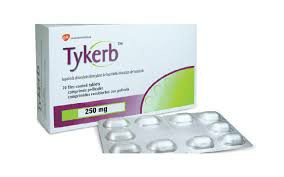
In clinical studies, lapatinib has shown significant efficacy in combination with other drugs such as capecitabine. For example, in a clinical trial for breast cancer patients with overexpression of the HER2 gene, the median progression-free survival of the combined treatment group of lapatinib and capecitabine was significantly longer than that of the control group, demonstrating the effectiveness of lapatinib in the treatment of this type of breast cancer patients.
In addition, lapatinib is well tolerated and safe. Although some adverse reactions may occur during use, such as nausea, diarrhea, stomatitis, etc., these reactions are usually mild and can be alleviated with appropriate supportive care.
In summary, lapatinib, as a targeted drug againstErbB1 and ErbB2 tyrosine kinases, provides a new and effective treatment option for breast cancer patients. Especially for patients who have developed resistance to other treatments, lapatinib may become an important therapeutic hope.
xa0
Reference: https://pmc.ncbi.nlm.nih.gov/articles/PMC4125370/
[ 免责声明 ] 本页面内容来自公开渠道(如FDA官网、Drugs官网、原研药厂官网等),仅供持有医疗专业资质的人员用于医学药学研究参考,不构成任何治疗建议或药品推荐。所涉药品可能未在中国大陆获批上市,不适用于中国境内销售和使用。如需治疗,请咨询正规医疗机构。本站不提供药品销售或代购服务。


