
.jpeg)
What is the current best treatment for pleural mesothelioma?
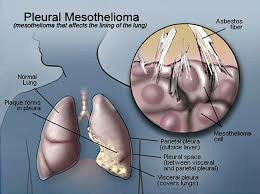
Pleural mesothelioma is a rare malignant tumor. There is currently no recognized best treatment method, because the selection of treatment options needs to be comprehensively considered based on the patient's specific situation, tumor stage, pathological type, and the patient's overall health and other factors.
1. Surgical treatment
Radical surgery: such as pleural pneumonectomy, suitable for early-stage, localized pleural mesothelioma. This kind of surgery can completely remove the diseased tissue, but it is more invasive and often difficult to completely remove the tumor.
Reduction surgery: For patients with advanced disease or who cannot tolerate radical surgery, reduction surgery can be chosen to relieve symptoms such as atelectasis caused by compression and improve the patient's quality of life.
2. Chemotherapy
Chemotherapy plays an important role in the treatment of pleural mesothelioma and can control the disease by inhibiting the growth and division of tumor cells. Commonly used chemotherapy drugs include pemetrexed, cisplatin, carboplatin, etc. Chemotherapy can be used alone or in combination with surgery and radiation therapy to increase the effectiveness of the treatment. Systemic chemotherapy works throughout the body and may shrink or slow the growth of mesothelioma that cannot be removed with surgery. However, side effects such as nausea, vomiting, hair loss, and bone marrow suppression may occur during chemotherapy.
3. Radiotherapy
Radiation therapy can be used to relieve local symptoms, such as chest pain, dyspnea, etc., and can also be used as adjuvant treatment after surgery to reduce the risk of tumor recurrence. Radiotherapy can irradiate tumors more accurately and reduce damage to surrounding normal tissues. However, radiotherapy may cause adverse reactions such as radiation pneumonitis and esophagitis.
4. Targeted therapy
Targeted therapy is a drug treatment that targets specific genes or proteins in cancer cells to help prevent cancer cells from growing and dividing. For example, the anti-angiogenic drug bevacizumab and erlotinib targetEGFRmutations. However, the clinical efficacy of these drugs remains to be verified by further studies.
5. Immunotherapy
Immunotherapy works by activating the body's own immune system to identify and attack cancer cells. In pleural mesothelioma, this may include the use of immune checkpoint inhibitors such as pembrolizumab. Immunotherapy has shown good results in some cases, but specific results vary from person to person.
6. Other treatments
In addition to the above main treatment methods, it also includes supportive care and symptomatic treatment. These treatments are designed to improve the patient's quality of life and relieve their symptoms, such as pain and difficulty breathing.
(Click to view the introduction of drugs for treating pleural mesothelioma)
References:
https://www.mayoclinic.org/diseases-conditions/mesothelioma/diagnosis-treatment/drc-20375028
[ 免责声明 ] 本页面内容来自公开渠道(如FDA官网、Drugs官网、原研药厂官网等),仅供持有医疗专业资质的人员用于医学药学研究参考,不构成任何治疗建议或药品推荐。所涉药品可能未在中国大陆获批上市,不适用于中国境内销售和使用。如需治疗,请咨询正规医疗机构。本站不提供药品销售或代购服务。


