
.jpeg)
What types of thyroid cancer are there?
Thyroid cancer, as a malignant tumor originating from thyroid tissue, has diverse pathogenesis and clinical manifestations. Thyroid cancer is carefully divided into multiple types based on the types of cells present in the tumor. These types are determined by looking at cancer tissue samples under a microscope and play a crucial role in subsequent treatment selection and prognosis assessment.
Differentiated thyroid cancer is a major category of thyroid cancer that mainly originates from follicular cells that secrete and store thyroid hormones. These cells are responsible for maintaining the body's metabolic balance under normal circumstances, but when they become cancerous, they lose their original normal functions. Observed under a microscope, differentiated thyroid cancer cancer cells are quite similar in morphology to healthy cells, which allows them to retain certain characteristics of normal cells to a certain extent and thus may be more responsive to treatment.
Papillary thyroid cancer is the most common type of differentiated thyroid cancer, and its incidence accounts for the vast majority of thyroid cancers. The disease can occur at any age, but is most common in people ages 30 to 50. Most papillary thyroid cancer tumors are relatively small and respond well to treatment. Even if the cancer cells have spread to the lymph nodes in the neck, patients may still have a good prognosis with a combination of surgery, radiation therapy, and drug therapy. However, a small proportion of papillary thyroid cancers are aggressive and may grow rapidly and involve structures in the neck or even spread to other parts of the body, posing a serious threat to the patient's life and health.
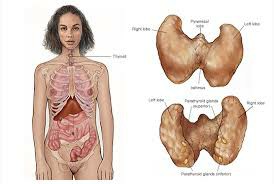
Follicular thyroid cancer is relatively rare and generally occurs in middle-aged and elderly people over 50 years old. Follicular thyroid cancer has fewer cancer cells that spread to the lymph nodes in the neck than papillary thyroid cancer, but they can be more aggressive as they grow, sometimes even spreading to other areas such as the lungs and bones. This type of thyroid cancer is relatively difficult to treat and requires more aggressive and complex treatment strategies.
Thyroid oncocytic carcinoma is another rare type of thyroid cancer that was once considered a variant of follicular thyroid cancer. However, as research deepened, scientists discovered that the cancer cells of this type of cancer have unique biological behaviors and treatment needs, so they were classified into a separate category. Thyroid oncocytic cancer is aggressive and may grow and involve structures in the neck and spread easily to other parts of the body. In terms of treatment, this type of cancer usually requires a more personalized treatment plan.
Poorly differentiated thyroid cancer and anaplastic thyroid cancer are the most ferocious types of thyroid cancer. They are more aggressive than other differentiated thyroid cancers and often do not respond to conventional treatments. This is especially true for anaplastic thyroid cancer, which can grow rapidly and cause serious signs and symptoms such as neck swelling and difficulty breathing and swallowing. Although treating these types of thyroid cancer is extremely challenging, scientists continue to explore new treatments and approaches in order to bring better treatment effects and prognosis to patients.
Medullary thyroid cancer is a type of thyroid cancer that originates fromC cells. CThe cells are special cells in the thyroid that produce calcitonin. When CC cells become cancerous, it causes calcitonin levels to rise in the blood, which may indicate that the patient has very early medullary thyroid cancer. Some medullary thyroid cancers are caused by mutations in the inherited gene RET, which may increase the risk of familial medullary thyroid cancer and multiple endocrine neoplasia type 2. For such patients, timely genetic testing and preventive treatment are particularly important.
In addition to the types mentioned above, there are other very rare cancer types that may originate in the thyroid gland, such as thyroid lymphoma and thyroid sarcoma. Although the incidence of these rare cancer types is extremely low, they also require great attention from doctors and patients. Therapeutically, these rare cancer types may require more unique and personalized treatment options to maximize patient quality of life and prognosis.
(Click to view an introduction to drugs for treating thyroid cancer.)
xa0
Reference materials:https://www.mayoclinic.org/zh-hans/diseases-conditions/thyroid-cancer/symptoms-causes/syc-20354161
[ 免责声明 ] 本页面内容来自公开渠道(如FDA官网、Drugs官网、原研药厂官网等),仅供持有医疗专业资质的人员用于医学药学研究参考,不构成任何治疗建议或药品推荐。所涉药品可能未在中国大陆获批上市,不适用于中国境内销售和使用。如需治疗,请咨询正规医疗机构。本站不提供药品销售或代购服务。


