
.jpeg)
The therapeutic advantages and application fields of ALK inhibitor lorlatinib
Lorlatinib, an innovative third-generation ALKtyrosine kinase inhibitor (TKI), is gradually becoming ALKpositive non-small cell lung cancer (NSCLC) and specific ROS1positive lung cancer. The drug was originally developed to solve the therapeutic challenges faced by first- and second-generation ALK inhibitors (such as crizotinib and alectinib) due to drug resistance, and has shown excellent efficacy in patients with central nervous system (CNS) metastases.
Lorlatinib precisely targets and inhibits the tyrosine kinase activities of ALK and ROS1, effectively blocking the signal transmission chain between cancer cells, thereby curbing the growth and spread of tumors. Its unique advantage is that even in the face of multiple mutant forms of the ALK gene, including the difficult-to-conquer G1202R mutation, lorlatinib can still exert a powerful inhibitory effect. What is even more remarkable is that its ability to penetrate the blood-brain barrier makes it excellent in treating brain metastases and brings new treatment hope to patients.
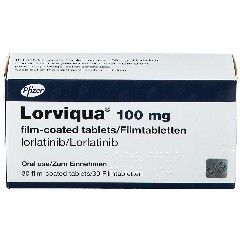
In terms of clinical application, lorlatinib mainly focuses on two major areas:
1.ALKpositive non-small cell lung cancer: Lorlatinib provides a new treatment option for advanced patients with drug resistance or disease progression after treatment with other ALK inhibitors. Especially when dealing with brain metastasis cases, its excellent control capabilities are particularly outstanding, significantly improving the patient's quality of life.
2.ROS1positive lung cancer: For some NSCLC patients with ROS1 gene rearrangements, lorlatinib has also shown potential therapeutic value, bringing new treatment possibilities to these patients.
Clinical trial data further validates the excellent performance of lorlatinib, which has achieved impressive results both in terms of objective response rate (ORR) and central nervous system response rate. Even among patients who have undergone multiple ALK inhibitor treatments, the disease control rate can still remain above 70%, and for patients with brain metastases, the intracranial response rate exceeds 60%.
To sum up, lorlatinib, as a bright new star in the treatment of ALKpositiveNSCLC patients, has shown irreplaceable therapeutic advantages, especially in dealing with drug resistance and brain metastasis. Patients need to use it rationally under the guidance of professional doctors to maximize treatment benefits and regain hope for a healthy life.
xa0
Reference materials:
1.Pfizer official website:https://www.pfizer.com
2.UpToDate - Lorlatinib overview:
https://www.uptodate.com/contents/lorlatinib-for-alk-positive-non-small-cell-lung-cancer
[ 免责声明 ] 本页面内容来自公开渠道(如FDA官网、Drugs官网、原研药厂官网等),仅供持有医疗专业资质的人员用于医学药学研究参考,不构成任何治疗建议或药品推荐。所涉药品可能未在中国大陆获批上市,不适用于中国境内销售和使用。如需治疗,请咨询正规医疗机构。本站不提供药品销售或代购服务。


