
.jpeg)
How to detect lymphoma?
Lymphoma is a cancer that originates in the lymphatic system, the body's important line of immune defense responsible for fighting infection and disease. Lymphoma can be divided into Hodgkin lymphoma and non-Hodgkin lymphoma, with the latter being more common. When patients experience symptoms such as swollen lymph nodes, fever, night sweats, and fatigue, they may suspect that they have lymphoma. So, how to diagnose this disease through medical means? During the diagnosis process, doctors will use a variety of examination methods to combine symptoms and examination results to determine the condition and formulate corresponding treatment plans.
First, the doctor usually performs a detailed physical examination. By asking about your medical history and symptoms, your doctor can evaluate potential signs of lymphoma. For example, swollen lymph nodes, skin changes, and general health are all important references. If abnormalities are found during the physical examination, the doctor will recommend further testing.
A biopsy is a critical step in confirming the diagnosis of lymphoma. A biopsy involves removing a small sample from a suspicious lymph node or other tissue, which is then sent to a medical pathologist for analysis under a microscope. This test can help doctors confirm whether lymphoma cells are present and determine their specific type. There are many methods of biopsy, including needle biopsy, excisional biopsy, etc. The specific choice depends on the actual situation of the patient.
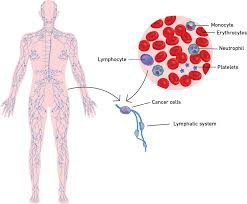
In addition to biopsies, blood tests are an integral part of the diagnostic process. A routine complete blood count (CBC) analyzes different types of white blood cells to help identify potential blood abnormalities. The erythrocyte sedimentation rate (ESR) is used to detect inflammation indicators in the body, which may reflect the presence of lymphoma in some cases. Additionally, elevated lactate dehydrogenase (LDH) levels are often associated with cancer activity and help assess cell growth and death.
To get a more complete picture of lymphoma, your doctor may also order imaging tests. Computed tomography (CT) can clearly show the size and shape changes of lymph nodes, spleen and other organs in the body, thereby discovering enlarged lymph nodes or other abnormal structures. Positron emission tomography (PET) detects the metabolic activity of cancer cells by injecting tracers, and is usually used in conjunction with CT scans to provide more intuitive tumor information.
If a patient is diagnosed with non-Hodgkin lymphoma, doctors may order additional laboratory tests to identify genes, proteins and other biomarkers associated with specific types of lymphoma. This information is critical for developing personalized treatment plans, as different types of lymphoma may respond very differently to treatment.
To sum up, the examination process for lymphoma includes physical examination, biopsy, blood test and imaging examination. Although these examinations may require a certain amount of time and expense, timely diagnosis and clear condition are the prerequisites for effective treatment. If you or someone around you develops relevant symptoms, please be sure to seek medical treatment promptly to ensure that you receive professional medical services in the shortest possible time.
(Click to view an introduction to drugs for treating lymphoma)
References:
https://my.clevelandclinic.org/health/diseases/22225-lymphoma
[ 免责声明 ] 本页面内容来自公开渠道(如FDA官网、Drugs官网、原研药厂官网等),仅供持有医疗专业资质的人员用于医学药学研究参考,不构成任何治疗建议或药品推荐。所涉药品可能未在中国大陆获批上市,不适用于中国境内销售和使用。如需治疗,请咨询正规医疗机构。本站不提供药品销售或代购服务。


