
.jpeg)
What is bimetinib/bemetinib?
Binimetinib/Binimetinib is an orally administered kinase inhibitor, mainly used in combination with canafenib (Encorafenib) to treat adult patients, especially those with unresectable or metastatic melanoma diagnosed with BRAF V600E or V600K mutations, and confirmed BRAF V600E mutated metastatic non-small cell lung cancer (NSCLC).
In June 2018, bimetinib was approved by the U.S. Food and Drug Administration (FDA). Notably, BRAF mutations are detected in approximately 50% of patients diagnosed with metastatic melanoma, making BRAF mutations the most common type of genetic mutation in the disease. In non-small cell lung cancer, BRAF mutations are relatively rare, with an incidence rate of only 2% to 5%.
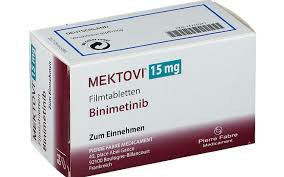
The mechanism of action of bimetinib is through reversible inhibition of two important proteins—mitogen-activated extracellular signal-regulated kinase 1 (MEK1) and MEK2. These proteins are key upstream regulators of the extracellular signal-related kinase (ERK) pathway. When bimetinib blocks MEK1 and MEK2, it results in inhibition of ERK phosphorylation, thereby affecting the viability of BRAF mutant cells. In addition, mutations in the BRAF gene make it continuously active in signal transduction, causing cells to receive constant growth signals without instructions to stop growing. This abnormal mechanism promotes the development of tumors.
Bimetinib is often used in combination with canafenib, which also targets other kinases in the RAS/RAF/MEK/ERK pathway. Patients may experience some side effects when using thecombination treatment regimen. The most common side effects include fatigue, nausea, diarrhea, vomiting, abdominal pain, muscle pain and joint pain. Management of these side effects is critical to ensuring patient treatment compliance and quality of life.
Reference materials:https://www.drugs.com/mektovi.html
[ 免责声明 ] 本页面内容来自公开渠道(如FDA官网、Drugs官网、原研药厂官网等),仅供持有医疗专业资质的人员用于医学药学研究参考,不构成任何治疗建议或药品推荐。所涉药品可能未在中国大陆获批上市,不适用于中国境内销售和使用。如需治疗,请咨询正规医疗机构。本站不提供药品销售或代购服务。


