
.jpeg)
Is serpatinib good for treating lung cancer?
The effect of serpatinib in the treatment of lung cancer is worthy of recognition, especially for patients with non-small cell lung cancer (NSCLC) with RET gene fusion or mutation.
Serpatinib has shown significant efficacy in lung cancer patients with RET gene mutations or fusions It can specifically inhibit the activity of RET protein, thereby blocking the growth and spread of tumor cells. In a recent study, a targeted therapy based on serpatinib significantly improved the condition of nearly 80% of patients with RET-mutant non-small cell lung cancer. This data fully illustrates the effectiveness of serpatinib in treating patients with this type of lung cancer.
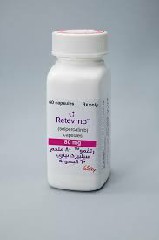
Selpatinib, as a highly selectiveRET kinase inhibitor, can precisely act on cancer cells with RET gene fusion or mutation, reducing damage to normal cells. This highly selective mechanism of action enables serpatinib to reduce toxic side effects and improve patient tolerance during treatment.
The patient's quality of life has been significantly improved through the use of serpatinib. The effective effect of the drug makes it possible for tumors to shrink or even disappear, thereby alleviating the patient's symptoms and pain. At the same time, since serpatinib is an oral drug, its administration is relatively convenient and helps patients maintain a normal pace of life.
Although serpatinib may cause some side effects during use, such as high blood pressure, fatigue, loss of appetite, etc., most of these side effects are controllable. Doctors will adjust the drug dosage and treatment plan according to the patient's specific condition to minimize the impact of side effects on the patient.
References:
https://pubmed.ncbi.nlm.nih.gov/32846060/
[ 免责声明 ] 本页面内容来自公开渠道(如FDA官网、Drugs官网、原研药厂官网等),仅供持有医疗专业资质的人员用于医学药学研究参考,不构成任何治疗建议或药品推荐。所涉药品可能未在中国大陆获批上市,不适用于中国境内销售和使用。如需治疗,请咨询正规医疗机构。本站不提供药品销售或代购服务。


