
.jpeg)
Definition and analysis of hepatitis B virus
Hepatitis B virus, referred to as hepatitis B virus, is a pathogen that causes hepatitis B virus. It is a spherical particle-like DNA virus. This virus is highly contagious and mainly damages the human liver. Understanding the definition, structure, transmission routes and preventive measures of hepatitis B virus is of great significance to maintaining personal and public health safety.
Hepatitis B virus is a DNA virus belonging to the family Hepatotropic DNAviridae. Its genome is about 3.2kb long and is partially double-stranded circular DNA. The complete hepatitis B virus is in the form of particles with a diameter of 42 nanometers, also known as Dana particles. This virus particle consists of two parts: a shell and a core. The shell is mainly composed of protein and has the function of protecting the virus core and assisting the virus in infecting cells; the core contains the genetic material of the virus, namely DNA.
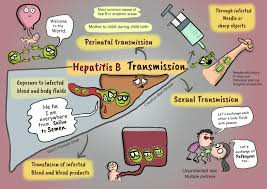
The main transmission routes of hepatitis B virus include blood transmission, mother-to-child vertical transmission, and sexual contact transmission. Blood transmission is the most common route of transmission, such as infection during blood transfusion, but with the advancement of medicine, this phenomenon has been effectively controlled. In addition, iatrogenic transmission, long-term close contact and sexual transmission are also important transmission routes of hepatitis B virus. It is important to note that hepatitis B virus is not spread through mosquito bites, respiratory or digestive tracts.
After being infected with the hepatitis B virus, the patient's liver tissue will gradually be damaged and symptoms such as fatigue, loss of appetite, jaundice, and abdominal pain will occur. If not treated in time, it may lead to serious consequences such as cirrhosis and liver cancer. Therefore, it is recommended that once patients are diagnosed with infection, they should seek medical treatment promptly and follow the doctor's instructions for treatment with antiviral drugs.
An effective way to prevent hepatitis B virus is to get vaccinated against hepatitis B virus. After vaccination, the body will produce corresponding antibodies. Once the hepatitis B virus appears in the body, the antibodies will act immediately to eliminate it or reduce the damage of the virus to liver tissue. In addition, avoiding contact with the blood and body fluids of hepatitis B virus patients, strengthening environmental sanitation and personal hygiene, and avoiding unhygienic food and utensils are also important measures to prevent hepatitis B virus infection.
(Click to view an introduction to drugs for the treatment of hepatitis B.)
References:
https://pmc.ncbi.nlm.nih.gov/articles/PMC2809016/
[ 免责声明 ] 本页面内容来自公开渠道(如FDA官网、Drugs官网、原研药厂官网等),仅供持有医疗专业资质的人员用于医学药学研究参考,不构成任何治疗建议或药品推荐。所涉药品可能未在中国大陆获批上市,不适用于中国境内销售和使用。如需治疗,请咨询正规医疗机构。本站不提供药品销售或代购服务。


