
.jpeg)
Dosage and usage of lorlatinib for patients
Lorlatinib is a targeted therapy drug mainly used to treat ALK-positive and ROS1-positive non-small cell lung cancer (NSCLC). The drug should be used according to the guidance of a doctor, and the patient's physical condition needs to be regularly monitored during treatment to adjust the dosage. The following is the recommended dosage and use of lorlatinib.
1. Recommended dosage
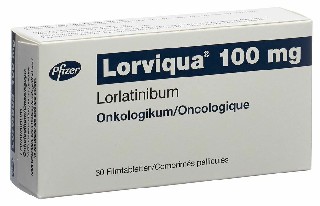
The recommended starting dose of lorlatinib for adults is 100 mg once daily, either after or before a meal. The drug should be administered orally and does not need to be taken with food throughout the course of treatment. The medication needs to be taken at the same time every day to help maintain drug concentrations.
2. How to take
Larlatinib should be swallowed whole. Avoid chewing or crushing the tablet, as this may affect its effectiveness.
If you miss a dose, you should take it as soon as possible, but if it is close to the next dose, you should skip the missed dose and continue taking the medicine at the regular time.
Do not take a double dose at once to make up for a missed dose.
3. Dose adjustment
During treatment with lorlatinib, certain adverse reactions may occur, and the dose needs to be adjusted according to the patient's tolerance. Common dosage adjustments are as follows:
Patients with mild to moderate hepatic impairment: For patients with mild (patients with normal liver function test values in children) and moderate (patients with some abnormal liver function) liver impairment, lorlatinib can continue to be used, but it needs to be adjusted according to liver function indicators. It is recommended to use a lower dose initially.
Patients with severe hepatic impairment: Lorlatinib should be used with caution in patients with severe hepatic impairment, and it is not recommended to initiate use in these patients.
Adverse reactions: If obvious adverse reactions occur (such as severe neutropenia, hepatotoxicity or hyperglycemia, etc.), the dose can be reduced or the drug can be discontinued according to the patient's clinical condition, and treatment can be restarted after the symptoms are relieved.
4. Dose adjustment for special groups
Elderly patients: Special dosage adjustments are generally not required, but older patients may be more sensitive to adverse drug reactions and require closer monitoring.
Patients with renal impairment: The metabolism of lorlatinib is mainly through the liver, so no special dose adjustment is required for patients with mild or moderate renal impairment. However, caution is recommended in patients with severe renal impairment.
5. Monitoring during medication
During treatment, patients need to undergo the following examinations regularly:
Liver function tests: Lorlatinib may cause adverse liver reactions, so liver function tests need to be checked regularly, especially in the early stages of treatment.
Routine blood tests: Patients should monitor white blood cell and neutrophil counts due to the potential for neutropenia.
Monitoring of blood sugar levels: Lorlatinib may cause hyperglycemia, so blood sugar levels need to be checked regularly.
6. Precautions when taking lorlatinib
Drug Interactions: Lorlatinib may interact with certain drugs, especially when combined with strongCYP3Ainhibitors and inducers, which may affect its effectiveness. Co-use with known inhibitors of CYP3A (such as certain antifungal drugs, antiviral drugs) should be avoided while taking lorlatinib.
Drinking should be avoided while taking the drug: drinking may increase the burden on the liver, and may aggravate adverse liver reactions when combined with lorlatinib, so patients should avoid drinking.
Effects on Pregnancy and Lactation: Lorlatinib is not recommended for use during pregnancy or lactation because the safety of the drug in the fetus or infant has not been adequately evaluated.
7. Common adverse reactions
Common adverse reactions of lorlatinib include: neutropenia, hyperglycemia, weight gain, depression, insomnia, fatigue, diarrhea, muscle pain, etc. When these symptoms occur, patients should communicate with their doctor in time and adjust the treatment plan or use drugs to relieve symptoms if necessary.
Lorlatinib, as a targeted drug, is mainly used to treat ALK-positive and ROS1-positive non-small cell lung cancer. Patients should use lorlatinib according to the doctor's instructions, monitor relevant indicators regularly and adjust the dosage in a timely manner. Due to the strong potency and potential adverse reactions of the drug, patients should pay close attention to it and maintain good communication with their doctors during use.
xa0
Reference materials
1.UpToDateMedical Literature Database - https://www.uptodate.com/
2."Treatment Guidelines for Non-Small Cell Lung Cancer" - https://www.asco.org/
3.State Food and Drug Administration drug information - https://www.nmpa.gov.cn/
[ 免责声明 ] 本页面内容来自公开渠道(如FDA官网、Drugs官网、原研药厂官网等),仅供持有医疗专业资质的人员用于医学药学研究参考,不构成任何治疗建议或药品推荐。所涉药品可能未在中国大陆获批上市,不适用于中国境内销售和使用。如需治疗,请咨询正规医疗机构。本站不提供药品销售或代购服务。


