
.jpeg)
How to use cimepilimab
Cemiplimab (Cemiplimab) is a monoclonal antibody targeting programmed death receptor-1 (PD-1). It is mainly used to treat cutaneous squamous cell carcinoma (CSCC), basal cell carcinoma (BCC) and non-small cell lung cancer (NSCLC). Cimepilimab is available as an injection that is administered intravenously by a doctor or nurse at a health care facility or infusion center. Each injection needs to last about 30 minutes to ensure that the drug fully enters the blood circulation. The recommended dose of cimepilimab varies slightly depending on the type of cancer.
For locally advanced or metastatic basal cell carcinoma (BCC) and locally advanced or metastatic cutaneous squamous cell carcinoma (CSCC), the recommended dose is 350 mg as an intravenous infusion every 3 weeks until disease progression, unacceptable toxicity, or up to 24 months. For non-small cell lung cancer (NSCLC), the dose is also 350mg as an intravenous infusion every 3 weeks until disease progression or unacceptable side effects occur.
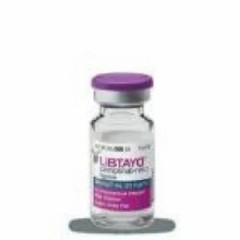
Dose adjustments should be made with caution when using cimepilimab. It is generally not recommended to reduce its dosage. If a patient develops a serious (Grade 3) immune-mediated adverse reaction, discontinuation of cimipilimab is usually required. Permanent discontinuation should also be considered for life-threatening (Grade 4) immune-mediated adverse reactions or recurrent severe (Grade 3) reactions requiring systemic immunosuppressive therapy. In addition, discontinuation of cimepilimab is also recommended if the steroid dose cannot be reduced to a prednisone equivalent dose of 10 mg per day or less within 12 weeks of starting steroid therapy.
It is worth noting that cimepilimab may cause a series of immune-related adverse reactions, so during treatment, patients need to receive regular medical monitoring to detect and deal with potential side effects in a timely manner. Medical staff need to understand the patient's medical history and current health status in detail before administering the drug to formulate a suitable treatment plan, and maintain close communication with the patient throughout the treatment process to ensure that the patient understands possible side effects and how to manage them.
References:https://dailymed.nlm.nih.gov/dailymed/drugInfo.cfm?setid=4347ae1f-d397-4f18-8b70-03897e1c054a
[ 免责声明 ] 本页面内容来自公开渠道(如FDA官网、Drugs官网、原研药厂官网等),仅供持有医疗专业资质的人员用于医学药学研究参考,不构成任何治疗建议或药品推荐。所涉药品可能未在中国大陆获批上市,不适用于中国境内销售和使用。如需治疗,请咨询正规医疗机构。本站不提供药品销售或代购服务。


