
.jpeg)
What are the functions and effects of pomalidomide?
Pomalidomide is an important anti-tumor drug, especially in the treatment of multiple myeloma and Kaposi's sarcoma. In patients with multiple myeloma, pomalidomide is often given in combination with dexamethasone, especially in patients who have received at least two other treatments that are not responding well and whose condition worsens during or within 60 days of the last treatment. Pomalidomide achieves the purpose of treatment by interfering with the growth of multiple myeloma cells and inhibiting the proliferation and survival of these cells.
In the treatment of multiple myeloma, the mechanism of action of pomalidomide involves multiple aspects. First, it can inhibit the DNA replication and transcription process of tumor cells, thereby blocking the growth and spread of tumors. Secondly, pomalidomide also has an immunomodulatory effect, which can enhance the activity of immune cells and improve the body's ability to recognize and eliminate tumor cells. This dual mechanism of action makes pomalidomide excellent in the treatment of multiple myeloma, able to prolong patient survival and improve quality of life.
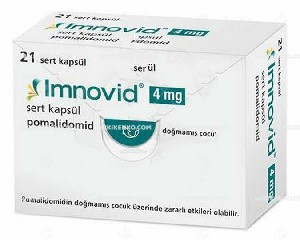
In addition to multiple myeloma, pomalidomide is also approved to treat Kaposi's sarcoma. This sarcoma is common in people infected with HIV or those who have received organ transplants, as well as in the elderly. Pomalidomide offers a new treatment option for patients with AIDS-related Kaposi's sarcoma who are refractory to highly active antiretroviral therapy (HAART). In addition, it is also applicable to Kaposi's sarcoma patients who are not infected with HIV, showing broad applicability and efficacy.
The treatment regimen for pomalidomide usually involves taking a certain dose of the drug orally every day for several weeks followed by a period of discontinuation to form a treatment cycle. The specific dosage and treatment duration will be adjusted based on the patient's specific condition and the doctor's recommendations. However, it should be noted that pomalidomide may also cause some side effects, such as fatigue, nausea, diarrhea, rash, etc. Therefore, when using pomalidomide for treatment, patients need to closely monitor their physical condition and take medication under the guidance of a doctor.
In summary, pomalidomide, as an antineoplastic drug, plays an important role in the treatment of multiple myeloma and Kaposi's sarcoma. It achieves therapeutic purposes by interfering with the growth of tumor cells and enhancing immune system function, bringing new hope and treatment options to patients.
xa0
Reference materials:https://www.mayoclinic.org/drugs-supplements/pomalidomide-oral-route/description/drg-20060888
[ 免责声明 ] 本页面内容来自公开渠道(如FDA官网、Drugs官网、原研药厂官网等),仅供持有医疗专业资质的人员用于医学药学研究参考,不构成任何治疗建议或药品推荐。所涉药品可能未在中国大陆获批上市,不适用于中国境内销售和使用。如需治疗,请咨询正规医疗机构。本站不提供药品销售或代购服务。


