
.jpeg)
Overview of common adverse reactions of generic Lynparza drugs
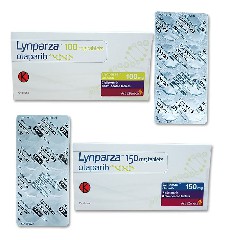
Olaparib, a poly(ADP-ribose) polymerase (PARP) inhibitor, can block the DNA repair mechanism of tumor cells, thereby effectively inhibiting the growth and spread of tumors. It is widely used in the treatment of malignant tumors such as advanced ovarian cancer and breast cancer that carry BRCA gene mutations. Generic olaparib, as an alternative to the original drug, has a pharmacological mechanism that is highly similar to that of the original drug, so it may also be accompanied by a series of adverse reactions during the treatment process.
Patients may experience a variety of common adverse reactions after taking generic Lynparza. These reactions involve multiple organ systems, including but not limited to the blood, digestive, nervous, and respiratory systems.
First, adverse reactions in the hematological system are mainly manifested as reduced blood cell counts, including anemia, leukopenia, and thrombocytopenia. Anemia may cause patients to feel weak, dizzy, or even palpitation; a decrease in white blood cells may weaken the patient's immunity and increase the risk of infection; and a decrease in platelets may cause the patient to bleed easily. Therefore, during treatment, regular blood routine examination is crucial to timely detect and deal with these adverse reactions of the blood system.
Secondly, adverse reactions in the digestive system are equally common, such as nausea, vomiting, diarrhea, heartburn, indigestion, and loss of appetite. These symptoms may not only affect the patient's nutritional intake but may also have a negative impact on the quality of daily life. To relieve these digestive discomforts, patients can try to adjust their eating habits, such as eating in portions, avoiding greasy and spicy foods, and ensuring adequate fluid intake.
In addition, olaparib generics may cause neurological adverse reactions, such as dizziness, weakness, fatigue, and headaches. At the same time, respiratory symptoms such as cough and shortness of breath may occur. Some patients may also experience changes in their sense of taste, which may affect their appetite and eating habits.
In most cases, these reactions are mild and can be effectively alleviated by adjustment of treatment regimen or symptomatic treatment. The key is that patients should pay close attention to their body's reactions during treatment and stay in communication with their doctor at all times. Any discomfort or abnormal symptoms should be reported to the doctor in time so that the doctor can promptly adjust the treatment plan to ensure the safety and effectiveness of the treatment. At the same time, patients should strictly follow the doctor's instructions, take the medicine on time and in the right amount, and have regular check-ups.
In short, although olaparib generics may be accompanied by a series of adverse reactions during treatment, through the joint efforts of both doctors and patients, these reactions can be effectively managed and controlled to ensure the smooth progress of treatment.
References:
https://www.drugs.com/olaparib.html
[ 免责声明 ] 本页面内容来自公开渠道(如FDA官网、Drugs官网、原研药厂官网等),仅供持有医疗专业资质的人员用于医学药学研究参考,不构成任何治疗建议或药品推荐。所涉药品可能未在中国大陆获批上市,不适用于中国境内销售和使用。如需治疗,请咨询正规医疗机构。本站不提供药品销售或代购服务。


