
.jpeg)
The concept of hepatitis B virus carriers
Hepatitis B virus carriers refer to those who are infected with hepatitis B virus but have not yet developed symptoms and signs of hepatitis and have normal liver function. These individuals are usually infected with hepatitis B virus in infants and young children. Because the immune function of infants and young children is not yet perfect, they cannot completely clear the virus, resulting in the virus existing in the body for a long time.
In the chronic hepatitis B virus carrier state, the patient is in the immune tolerance period, and the hepatitis B virus surface antigen, hepatitis B viruseantigen and hepatitis BDNA are long-term positive.
Although liver function continues to be normal and liver histopathological examination shows no obvious inflammatory necrosis or fibrosis, patients still need to undergo regular follow-up examinations to detect and deal with any potential problems in a timely manner.
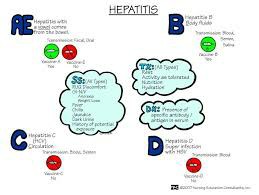
In the inactive hepatitis B virus surface antigen carrier state, the patient is in the immune control period, and the hepatitis B virus surface antigen is positive, but the hepatitis B viruseantigen and hepatitis BDNA are negative. The liver function is normal and there is no obvious damage to liver tissue pathology. The patient can live and work like a normal person. There are still a small number of patients who may develop chronic hepatitis B, so long-term follow-up is needed.
Although carriers of hepatitis B virus do not show clinical symptoms, they still have the possibility of transmitting hepatitis B virus. Its main routes of transmission include mother-to-child transmission, sexual contact transmission and blood transmission. Therefore, for this group of people, liver function tests and hepatitis B virusDNA testing should be carried out regularly, and necessary treatment and preventive measures should be taken as directed by the doctor.
Hepatitis B virus carriers should follow a healthy lifestyle, including quitting smoking, limiting alcohol, and maintaining a balanced diet, to slow down potential damage to the liver. Although they have not yet developed symptoms of hepatitis, they still need to be taken seriously because they may be at risk of potential liver cancer and cirrhosis.
(Click to view an introduction to drugs for the treatment of hepatitis B.)
References:
https://www.who.int/news-room/fact-sheets/detail/hepatitis-b
[ 免责声明 ] 本页面内容来自公开渠道(如FDA官网、Drugs官网、原研药厂官网等),仅供持有医疗专业资质的人员用于医学药学研究参考,不构成任何治疗建议或药品推荐。所涉药品可能未在中国大陆获批上市,不适用于中国境内销售和使用。如需治疗,请咨询正规医疗机构。本站不提供药品销售或代购服务。


