
.jpeg)
Introduction and marketing status of Ripotinib
Repotrectinib (repotrectinib) is a new generation of tyrosine kinase inhibitor (TKI) anti-cancer drug specifically used to treat ROS1-positive non-small cell lung cancer (NSCLC). In ROS1-positive cancers, the partial combination of the ROS1 gene with another gene leads to the activation of the ROS1 gene, which in turn triggers uncontrolled cell growth and ultimately the formation of cancer. Ripotinib effectively controls the growth of cancer and helps reduce tumor size by inhibiting the activity of the ROS1 gene and tyrosine kinase receptors.
The R&D process of Ripotinib is full of scientific breakthroughs and hope. In November 2023, it received FDA approval for the treatment of adult patients with locally advanced or metastatic ROS1-positive NSCLC. This approval was based on positive results from its Phase 1/2 clinical trial: among patients with ROS1-positive NSCLC who had not received TKI treatment, 79% of patients experienced a partial response of reducing tumor size, and 6% of patients achieved a complete response, that is, there is no longer evidence of cancer in the body. In addition, the median duration of response reached 34.1 months, demonstrating the durable efficacy of reprotinib. In particular, 7 out of 8 brain tumor patients experienced treatment responses, demonstrating the potential of repotinib in the treatment of brain tumors.
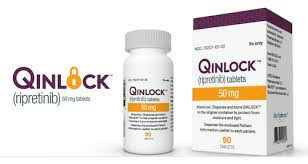
As a next-generation TKI, repotinib is specifically designed to be more effective against brain tumors and last longer before the cancer becomes resistant to treatment. This property gives it a significant advantage in the treatment of ROS1-positive NSCLC.
The scope of application of Ripotinib was further expandedin June 2024. The FDA approved the drug for the treatment of adult and pediatric patients 12 years of age and older with solid tumors that have a neurotrophic tyrosine receptor kinase (NTRK) gene fusion, are locally advanced or metastatic, or where surgical resection is likely to result in significant morbidity and have progressed after treatment or for which there are no satisfactory alternative therapies.
in the country, the launch of repotinib has also attracted much attention. In May 2024, the State Food and Drug Administration officially approved the marketing of Ripotinib capsules (trade name: AUGTYRO), providing a new treatment option for ROS1-positive NSCLC patients. In addition, the drug has been included in my country's medical insurance catalog. Although the specific reimbursement ratio varies from region to region, it undoubtedly relieves some financial pressure on patients.
In short, as a new generation of tyrosine kinase inhibitor anti-cancer drug, reprotinib is bringing new treatment hope to ROS1-positive NSCLC patients with its significant efficacy and broad application prospects.
References:
https://www.drugs.com/augtyro.html
[ 免责声明 ] 本页面内容来自公开渠道(如FDA官网、Drugs官网、原研药厂官网等),仅供持有医疗专业资质的人员用于医学药学研究参考,不构成任何治疗建议或药品推荐。所涉药品可能未在中国大陆获批上市,不适用于中国境内销售和使用。如需治疗,请咨询正规医疗机构。本站不提供药品销售或代购服务。


