
.jpeg)
Will the targeted drug bimetinib/bemetinib grow wildly once the drug is discontinued?
The mechanism of action of targeted drugs is very special. Compared with traditional chemotherapy drugs, they are more targeted and have relatively fewer side effects. Binimetinib/Binimetinib is a targeted drug mainly used to treat specific types of malignant tumors, such as melanoma. The response of tumor cells after discontinuation of metinib will vary among individuals. For some patients, tumors may grow rapidly once the drug is stopped, a phenomenon known as the "rebound effect" or "relapse."
Bimetinib, as aMEK inhibitor, slows down the proliferation and spread of cancer cells by inhibiting intracellular signal transduction pathways. During long-term use, cancer cells may develop tolerance to this inhibition, and some cancer cells may evade the effects of the drug by changing their metabolic pathways and activating other survival signaling pathways. When the drug is stopped, the originally suppressed cancer cells regain their ability to proliferate, which may lead to rapid tumor growth. This situation is not uncommon in clinical practice, especially during the continued observation phase, where tumor recurrence is often seen.
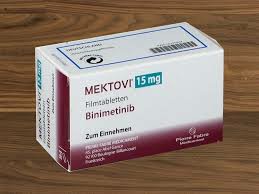
After stopping targeted drugs, the patient's physical condition and immune system will also change. During the use of targeted drugs, although tumor cells are suppressed, they may also affect the body's immune response. Once the drug is stopped, the body gradually returns to normal immune surveillance function. If the originally suppressed tumor cells have strong viability, they may use the restarted immune system to escape surveillance and then proliferate rapidly. Therefore, dynamic observation after drug withdrawal is crucial to evaluate tumor growth.
In addition, individual differences are also a key factor in response to drug withdrawal. Different patients' tumor biological characteristics, genetic mutation status, and previous treatment experience will affect the outcome after drug discontinuation. Even if some patients do not relapse immediately after stopping the drug, they still need regular follow-up and examination to detect potential signs of relapse in time.
Reference materials:https://www.oncologynewscentral.com/drugs/monograph/175525-318022/binimetinib-oral
[ 免责声明 ] 本页面内容来自公开渠道(如FDA官网、Drugs官网、原研药厂官网等),仅供持有医疗专业资质的人员用于医学药学研究参考,不构成任何治疗建议或药品推荐。所涉药品可能未在中国大陆获批上市,不适用于中国境内销售和使用。如需治疗,请咨询正规医疗机构。本站不提供药品销售或代购服务。


