
.jpeg)
The most feared signs of late-stage pancreatic cancer
Pancreatic cancer is a highly malignant tumor with diverse and severe late-stage symptoms, which has a great impact on patients' quality of life. In the late stages of pancreatic cancer, patients may face a series of daunting signs, the appearance of which often heralds further deterioration of the disease and increased difficulty in treatment.
In advanced pancreatic cancer, patients may experience severe and persistent pain as the tumor continues to grow and spread. This pain is usually located deep in the upper abdomen and may radiate to the back or waist, and the pain is significantly worse at night or after eating. In addition, tumors may compress or invade surrounding tissues and nerves, causing more severe pain that is often difficult to relieve with conventional painkillers.
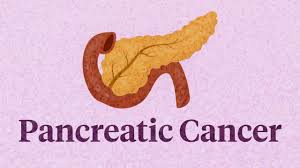
Jaundice is another serious sign commonly seen in patients with advanced pancreatic cancer. When a tumor blocks the bile duct, bile cannot be excreted normally, causing bilirubin to accumulate in the blood, which can lead to jaundice. The patient's skin and sclera will turn yellow, the urine will become darker, and the stool will become lighter. In severe cases, it may be accompanied by complications such as skin itching and liver failure.
Patients with advanced pancreatic cancer may also experience systemic malnutrition symptoms such as extreme weight loss, fatigue, and cachexia. Tumors consume a large amount of energy, coupled with the patient's loss of appetite and digestive and absorption dysfunction, resulting in extreme physical weakness. Patients may become fatigued, bedridden, have reduced tolerance to treatment, and their survival time is significantly shortened.
In addition, patients with advanced pancreatic cancer may also have symptoms such as difficulty breathing, confusion or coma, and gastrointestinal abnormalities (such as nausea, vomiting, diarrhea, or constipation). The occurrence of these symptoms indicates the severity of the condition and the difficulty of treatment.
Faced with these signs of late-stage pancreatic cancer, patients and their families should maintain a positive attitude, cooperate with doctors in treatment, and pay close attention to changes in the condition. Doctors should also formulate reasonable treatment plans based on specific circumstances to relieve patients' pain and improve their quality of life.
(Click to view an introduction to drugs for the treatment of pancreatic cancer)
xa0
Reference materials:https://pancan.org/facing-pancreatic-cancer/living-with-pancreatic-cancer/advanced-cancer/
[ 免责声明 ] 本页面内容来自公开渠道(如FDA官网、Drugs官网、原研药厂官网等),仅供持有医疗专业资质的人员用于医学药学研究参考,不构成任何治疗建议或药品推荐。所涉药品可能未在中国大陆获批上市,不适用于中国境内销售和使用。如需治疗,请咨询正规医疗机构。本站不提供药品销售或代购服务。


