
.jpeg)
Strategies to deal with lorlatinib resistance
Lorlatinib, a third-generation highly effective targeted drug for ALK-positive and ROS1-positive advanced non-small cell lung cancer (NSCLC), occupies an important position in the field of lung cancer treatment due to its excellent efficacy and ability to penetrate the blood-brain barrier. However, the emergence of drug resistance, like all targeted therapies, has become a challenge faced by patients and physicians alike. This article aims to deeply explore the resistance time, mechanism and response strategies to lorlatinib, and provide patients with comprehensive management guidelines.
1. The resistance time window of lorlatinib
The duration of resistance to lorlatinib varies among patients, but generally the average duration of resistance falls within the range of 12 to 24 months. This time window is affected by multiple factors, including the genetic characteristics of the tumor, the patient's treatment history, and medication compliance.
1.Early drug resistance: Some patients develop drug resistance within 6 months after starting treatment. This is often related to the complex genetic mutation background of the tumor, especially those patients who have undergone multiple treatments.
2.Advantages of treatment-naive patients: For treatment-naive patients who have not been treated with other ALK inhibitors, the resistance time to lorlatinib may be relatively longer because their tumors have not yet become resistant to multiple drugs.
3.Special considerations for brain metastases: Although lorlatinib performs well in patients with brain metastases, the rapid progression of brain lesions after drug resistance requires special vigilance, and regular brain imaging examinations are required to monitor changes.
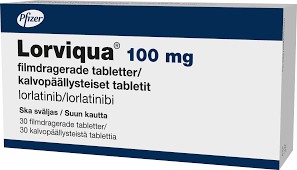
2. In-depth analysis of drug resistance mechanisms
The root cause of lorlatinib resistance lies in the adaptation and evolution of tumor cells, which mainly includes the following aspects:
1.ALKSecondary mutations of genes: mutations such as G1202R directly weaken the inhibitory effect of lorlatinib on ALK kinase, which is a common resistance mechanism after repeated use of ALK inhibitors.
2. Activation of alternative signaling pathways: Tumors bypass the blocking effect of lorlatinib and continue to grow by activating alternative signaling pathways such as EGFR, MET, and KRAS.
3.Phenotypic transformation: Tumors may transform from adenocarcinoma to small cell lung cancer (SCLC), which reduces sensitivity to ALK inhibitors.
4.Changes in drug metabolism and excretion: Tumor cells reduce the accumulation of drugs in cells by increasing the expression of drug efflux proteins (such asP-gp), thereby reducing the efficacy.
3. Personalized treatment strategies after drug resistance
In the face of drug resistance, it is crucial to develop a personalized treatment plan, including:
1.Gene testing: Tissue or liquid biopsy should be performed immediately after drug resistance to clarify the drug resistance mechanism and provide basis for subsequent treatment. The detection scope should cover key genes such as ALK, EGFR, KRAS, and MET.
2.Continue lorlatinib: For patients with only partial disease progression, lorlatinib may still be effective in other parts of the disease, and combined with local treatment such as radiotherapy, it can delay the progression of the disease.
3.Conversion of treatment plan:
New GenerationALKInhibitors: Explore new drugs in clinical trials, such asTPX-0131, providing new hope for drug-resistant patients.
Immunotherapy: For patients whose phenotype has transformed into small cell lung cancer, PD-1/PD-L1 inhibitors may become an effective option.
Chemotherapy: Pemetrexed combined with platinum-based chemotherapy may be an alternative when there is extensive drug resistance and lack of other targeted treatment options.
Combination therapy: For activation of bypass pathways, try the combination of lorlatinib and other targeted drugs, such as EGFR or MET inhibitors, or participate in clinical trials to explore new drug combinations.
Local treatment: For focal disease progression, radiotherapy or surgery (when feasible) may be used as a means of local control.
4. Daily management and support after drug resistance
Post-drug management is equally important, including:
1.Close monitoring: Regular imaging examinations (CT, MRI) and tumor marker detection to detect and respond to changes in the condition in a timely manner.
2.Adjustment of lifestyle: eat healthy, exercise moderately, enhance physical resistance, and pay attention to mental health. The support and companionship of family members are crucial.
3.Professional consultation: After drug resistance, you should actively communicate with specialists to understand international treatment trends and the latest drug research, and strive for more treatment opportunities for patients.
Lorlatinib resistance is a difficulty in the treatment process, but through scientific genetic testing, flexible treatment strategy adjustments, and multidisciplinary comprehensive management, patients can effectively extend their survival and improve their quality of life. In the face of drug resistance, patients and their families need to maintain a positive attitude and work closely with the medical team to explore the most suitable treatment path.
xa0
Reference materials:
1.PubMed - Mechanisms of Resistance to ALK Inhibitors:
https://pubmed.ncbi.nlm.nih.gov/31075049
2.FDA - Lorlatinib Drug Information:
https://www.accessdata.fda.gov
3.Pfizer official website:
https://www.pfizer.com
[ 免责声明 ] 本页面内容来自公开渠道(如FDA官网、Drugs官网、原研药厂官网等),仅供持有医疗专业资质的人员用于医学药学研究参考,不构成任何治疗建议或药品推荐。所涉药品可能未在中国大陆获批上市,不适用于中国境内销售和使用。如需治疗,请咨询正规医疗机构。本站不提供药品销售或代购服务。


