
.jpeg)
How to deal with the short-term failure of lorlatinib?
Lorlatinib, a third-generation tyrosine kinase inhibitor (TKI) targeting ALK/ROS1-positive non-small cell lung cancer (NSCLC), has attracted much attention for its excellent efficacy, but the treatment response of each patient is different. Some patients may feel significant improvement in the early stages of taking the medication, while other patients may still not see significant effects after taking the medication for more than ten days. Faced with this situation, patients and their families often feel anxious and confused. However, it would be unwise to jump to the conclusion that a drug is ineffective. Here are some suggestions to help patients scientifically cope with this challenge:
Rechecking genetic mutation status is critical. The efficacy of lorlatinib is closely related to the patient's genetic mutation type. Therefore, it is necessary to reconfirm whether the patient is indeed ALK or ROS1 positive, and to check whether there are drug-resistant mutations. If genetic testing results show that the patient is not suitable for targeted therapy, it is particularly important to adjust the treatment plan in a timely manner.
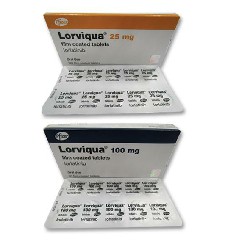
Assessing drug metabolism and absorption cannot be ignored. Due to individual differences, some patients may have drug metabolism or absorption disorders, making it difficult to show drug effects. At this time, it is particularly critical to monitor the concentration of the drug in the body through blood testing to ensure that the effective therapeutic dose range is achieved.
It is also crucial to allow adequate observation time for the drug. The effect of targeted drugs often requires a course of evaluation, usually around 4-8 weeks. Therefore, the lack of obvious effects within a short period of time does not mean that the drug is ineffective. It is recommended that patients continue to take the medication and regularly observe changes in lesions through imaging examinations (such as CT or MRI) to more accurately evaluate the efficacy.
If the efficacy of lorlatinib is still unsatisfactory and the patient is confirmed to beALK/ROS1positive, then further analysis is needed to determine whether there are resistance mutations. In this case, combining other treatments (such as immunotherapy or chemotherapy) may bring new hope to patients and enhance the overall treatment effect.
Close communication with the treating physician is key to developing an effective treatment strategy. If the patient finds that the drug is indeed ineffective, he should contact his doctor promptly to discuss the possibility of adjusting the treatment plan. Whether you are changing to other targeted drugs, or trying radiotherapy, chemotherapy or immunotherapy, you need to do it under the guidance of a doctor to ensure the safety and effectiveness of the treatment.
xa0
Reference materials:
1.ALKTreatment Guidelines for Positive Lung Cancer - https://www.caca.org.cn/
2.American Society of Clinical Oncology (ASCO) Targeted Therapy Guidelines - https://www.asco.org/
3.State Food and Drug Administration Drug Instructions - https://www.nmpa.gov.cn/
4.UpToDateMedical Literature Database - https://www.uptodate.com/
[ 免责声明 ] 本页面内容来自公开渠道(如FDA官网、Drugs官网、原研药厂官网等),仅供持有医疗专业资质的人员用于医学药学研究参考,不构成任何治疗建议或药品推荐。所涉药品可能未在中国大陆获批上市,不适用于中国境内销售和使用。如需治疗,请咨询正规医疗机构。本站不提供药品销售或代购服务。


