
.jpeg)
What are the treatments for brain tumors?
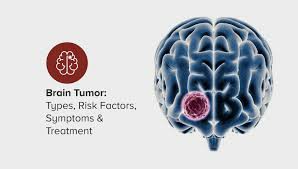
A brain tumor is an abnormal growth of cells in or around the brain and is classified along with spinal tumors as a central nervous system tumor. These tumors may be malignant or benign and grow at varying rates. Even if some brain tumors are benign, if they increase in size and compress surrounding nerves, blood vessels and tissues, they can have serious consequences for brain function and the patient's health.
Brain tumor treatment plans need to take into account many factors, including the location, size, type of the tumor, the number of tumors, the patient's age and overall health. For benign brain tumors, if the neurosurgeon can safely remove all of the tumor, the surgery is usually successful and the tumor usually does not come back. However, for pediatric patients, certain treatments such as radiation therapy, although well tolerated in the adult brain, may hinder normal brain development in children, especially those under 5 years of age.
Doctors often use a combination of therapies to treat brain tumors. Treatment options may include brain surgery, called a craniotomy, in which a neurosurgeon removes as much of the tumor as possible while being careful to avoid damaging functional areas of the brain. Radiation therapy uses high-dose X-rays to destroy brain tumor cells or shrink tumors. Radiosurgery is a non-invasive radiation treatment that uses concentrated beams of radiation to destroy tumors. Brachytherapy involves placing radioactive seeds or implants directly in or near the tumor.
Chemotherapy is another treatment option that uses anti-cancer drugs to kill cancer cells in the brain and throughout the body. Chemotherapy can be given intravenously or orally. Sometimes doctors recommend chemotherapy after surgery to destroy remaining cancer cells or prevent their growth. Immunotherapy uses the body's immune system to fight cancer by stimulating the immune system to work more effectively. Targeted therapy targets the specific characteristics of cancer cells to avoid harming healthy cells, and is suitable for patients who cannot tolerate the side effects of chemotherapy.
For very small and asymptomatic brain tumors, your doctor may recommend watchful waiting or active surveillance, with regular checks for signs of tumor growth. Additionally, if the tumor causes increased intracranial pressure, surgical placement of a shunt to drain excess cerebrospinal fluid may be necessary. Medications such as mannitol and corticosteroids can also help reduce intracranial pressure and reduce swelling around the tumor. Palliative care provides symptom relief, comfort and support to people with serious illnesses.
In short, there are various treatment methods for brain tumors, and individualized treatment plans need to be developed according to the specific conditions of the patient. The doctor will consider a variety of factors to select the treatment method that is most suitable for the patient to achieve the best therapeutic effect.
(Click to view an introduction to drugs for treating brain tumors)
References:
https://my.clevelandclinic.org/health/diseases/6149-brain-cancer-brain-tumor
[ 免责声明 ] 本页面内容来自公开渠道(如FDA官网、Drugs官网、原研药厂官网等),仅供持有医疗专业资质的人员用于医学药学研究参考,不构成任何治疗建议或药品推荐。所涉药品可能未在中国大陆获批上市,不适用于中国境内销售和使用。如需治疗,请咨询正规医疗机构。本站不提供药品销售或代购服务。


