
.jpeg)
How effective is mobosetinib/mobotinib in the treatment of brain metastases?
Mobocertinib/Studies on the effectiveness of Mobocertinib in the treatment of brain metastases have shown some important findings. Mobocertinib has limited intracranial activity in patients with EGFR exon 20 insertion-positive metastatic non-small cell lung cancer (NSCLC), according to study results submitted in 2022. This 3-part, open-label, multicenter study (NCT02716116) included 114 patients with ECOG status 0-1, all of whom had received at least one prior treatment for locally advanced or metastatic EGFR exon 20 insertion-positive NSCLC. At the time of enrollment, 35% of patients had brain metastases.
During the study, patients received160 mg of mobosertinib daily. If investigators confirm that patients have clinical benefit, treatment can be continued after disease progression. For patients with brain metastases, treatment for brain injury is required and should not have such symptoms before registration. The study found that the confirmed objective response rate was 28% (n=32), and among patients pretreated with platinum, the median duration of response (DOR) was 17.5 months. Among patients without baseline brain metastases, the cORR was 34% (n=25), while among those with baseline brain metastases, the cORR was only 18% (n=7); progression-free survival was 9.2 months and 3.7 months, respectively.
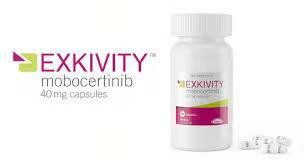
Specifically, among patients pretreated with platinum drugs, 21 (33%) had their first disease progression involving the brain, and 11 (17%) had their first disease progression limited to the brain. Of these 21 patients, 81% continued moboxetinib after disease progression, and 19% continued treatment for at least 6 months. Of the 43 patients whose first disease progression did not involve the brain, 65% continued to receive moboxetinib, and 9% continued treatment for at least 6 months.
In addition, among the 21 patients who experienced brain disease progression for the first time7 patients received brain radiation and continued to receive moboxetinib, with 3 patients receiving treatment for 6 months or longer and 1 patient receiving treatment for more than 12 months. The remaining 12 patients were still receiving this treatment without radiation therapy.
In summary, although moboxetinib shows some potential in the treatment ofEGFR exon-driven non-small cell lung cancer, its intracranial activity against brain metastases is still limited. Especially considering the high frequency of first disease progression in the brain (25%) and the objective response rate in patients with baseline brain metastases, this warrants further investigation into optimal treatment strategies for brain metastases in advanced EGFR exosome-driven NSCLC.
References:https://www.cancernetwork.com/view/patients-with-nsclc-and-brain-metastases-at-baseline-derive-limited-benefit-from-mobocertinib
[ 免责声明 ] 本页面内容来自公开渠道(如FDA官网、Drugs官网、原研药厂官网等),仅供持有医疗专业资质的人员用于医学药学研究参考,不构成任何治疗建议或药品推荐。所涉药品可能未在中国大陆获批上市,不适用于中国境内销售和使用。如需治疗,请咨询正规医疗机构。本站不提供药品销售或代购服务。


