
.jpeg)
Comparison of the mechanisms of action of vancomycin and linezolid
Vancomycin and linezolid are two different types of antibiotics with significant differences in their mechanisms of action, which also affect their clinical application.
Vancomycin is a glycopeptide antibiotic, and its antibacterial effect is mainly achieved by inhibiting bacterial cell wall synthesis. Specifically, vancomycin can bind to the precursor substances of the bacterial cell wall, interfere with the normal assembly process of the cell wall, and cause bacterial cell wall defects.
Since the bacterial cell wall is an important structure for maintaining bacterial morphology and integrity, when the cell wall is defective, bacteria will become fragile and unable to maintain normal physiological functions. In addition, vancomycin can also change the permeability of bacterial cell membranes, causing the contents of bacterial cells to leak out, further damaging the bacterial viability.
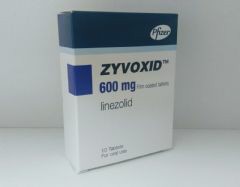
Unlike vancomycin, linezolid is a synthetic oxazolidinone antibiotic. Its mechanism of action is to inhibit bacterial protein synthesis, thereby preventing bacterial growth and reproduction. Specifically, linezolid can bind to the 50S subunit of bacterial ribosomes, interfering with the normal function of bacteria during translation, leading to obstruction of protein synthesis.
Since protein is an important substance necessary for bacterial life activities, when protein synthesis is blocked, bacteria will lose their normal physiological functions and eventually die. This mechanism of action makes linezolid highly bactericidal against a variety of Gram-positive bacteria.
Vancomycin mainly acts on the bacterial cell wall, while linezolid mainly acts on the bacterial ribosome. Vancomycin kills bacteria by inhibiting cell wall synthesis and changing cell membrane permeability, while linezolid kills bacteria by inhibiting protein synthesis.
Although both have antibacterial activity against Gram-positive bacteria, the specific antibacterial spectrum and sensitivity may vary depending on bacterial species and drug concentration.
References:
https://pubmed.ncbi.nlm.nih.gov/17913720/
xa0
[ 免责声明 ] 本页面内容来自公开渠道(如FDA官网、Drugs官网、原研药厂官网等),仅供持有医疗专业资质的人员用于医学药学研究参考,不构成任何治疗建议或药品推荐。所涉药品可能未在中国大陆获批上市,不适用于中国境内销售和使用。如需治疗,请咨询正规医疗机构。本站不提供药品销售或代购服务。


