
.jpeg)
Detailed explanation of larotinib side effects
Larotrectinib, a precisely targeted drug targeting NTRK gene fusion-positive tumors, has attracted much attention for its remarkable efficacy since its introduction. However, like all medications, larotrectinib may be associated with a range of side effects during treatment. So, how serious are these side effects? How to manage it effectively?
Let’s take a look at the common side effects of larotrectinib. According to statistics, about30%-40%of patients will report feeling fatigue during treatment. This fatigue usually ranges from mild to moderate, and although it may affect the patient's daily life, in most cases it is not severe enough to require interruption of treatment. Gastrointestinal adverse reactions are also common during larotrectinib treatment, including nausea, vomiting, and diarrhea. These symptoms are mild in most patients, and only in rare cases require additional medications (eg, antiemetics) for relief. In addition, approximately 20% of patients may experience dizziness, especially early in treatment or during dose adjustments. This may be related to the mild effects of larotrectinib on the central nervous system.
In addition to the common side effects mentioned above, larotrectinib may also cause some hematological abnormalities, such as anemia and neutropenia. Although most of these side effects are mild, patients still need to undergo regular blood tests so that they can be detected and dealt with promptly. In addition, some patients may experience abnormal liver function during treatment, manifested by an increase in liver enzyme indicators such as ALT and AST. The condition is usually reversible, but in severe cases, doctors may consider adjusting the dose or temporarily stopping treatment.
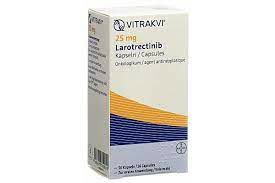
Of course, larotrectinib also has some rare but noteworthy side effects. For example, a rare number of patients may experience changes in cognitive function, memory loss, or other neurological symptoms. This requires doctors to closely observe the patient's response during treatment and make timely assessments. In addition, individual patients may experience allergic reactions to larotrectinib, such as rash, itching, or difficulty breathing. Once these symptoms occur, patients should seek medical help immediately.
How should patients and doctors respond to these side effects? First, dose adjustment is an effective strategy. When side effects significantly affect the patient's quality of life, doctors can adjust the drug dosage or change the medication interval according to the patient's specific situation to reduce symptoms. Secondly, supportive treatment is also essential. For example, antiemetic drugs can relieve nausea and vomiting, and iron supplements can treat anemia. Finally, regular monitoring is key to ensuring patient safety. Patients need to undergo regular liver function, blood index and other tests during the treatment process in order to detect and deal with possible adverse reactions in a timely manner.
It is worth noting that although larotinib may be associated with some side effects during treatment, its clinical trial results show that its safety is generally high. Most side effects are mild to moderate and completely reversible. For patients with advanced solid tumors, the significant tumor response rate and long-term survival benefits brought by larotrectinib are often far greater than the impact of side effects. Therefore, on the balance of risks and benefits, larotrectinib remains a treatment option worth considering.
To sum up, although the side effects of larotrectinib exist, they are generally controllable. With prompt management and monitoring, most patients are able to continue treatment safely and effectively. For a specific patient, the risks and benefits of larotrectinib need to be comprehensively evaluated by physicians based on the patient's specific circumstances. Under the guidance of doctors, patients can receive treatment with more confidence and strive for better recovery results.
xa0
Reference materials
1.Bayerofficial website,https://www.bayer.com
2.U.S. Food and Drug Administration (FDA), https://www.fda.gov
3.New England Journal of Medicine,https://www.nejm.org
[ 免责声明 ] 本页面内容来自公开渠道(如FDA官网、Drugs官网、原研药厂官网等),仅供持有医疗专业资质的人员用于医学药学研究参考,不构成任何治疗建议或药品推荐。所涉药品可能未在中国大陆获批上市,不适用于中国境内销售和使用。如需治疗,请咨询正规医疗机构。本站不提供药品销售或代购服务。


