
.jpeg)
Will taking serpatinib lead to elevated transaminases?
Serpatinib use may indeed cause an increase in transaminase levels. According to publicly released information, serpatinib, as a targeted therapy, has been observed in clinical trials and patient use related to adverse reactions related to increased aminotransferase levels.
Judging from clinical trial data, it is not uncommon for patients to experience increases in aspartate aminotransferase (AST) and alanine aminotransferase (ALT) after using serpatinib. These aminotransferases are important indicators reflecting liver function, and increased levels may mean that the liver has been damaged to a certain extent. It is reported that among patients treated with serpatinib, the incidence rates of AST elevation and ALT elevation are relatively high, indicating that some patients do experience abnormal liver function after using this drug.
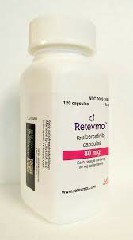
It should be noted that elevated transaminase levels do not necessarily mean severe liver damage. In most cases, this increase may be mild and gradually stabilize or return to normal with treatment. However, it is also possible that transaminase levels may increase significantly and even lead to severe liver damage, so patients' liver function indicators need to be closely monitored when using serpatinib.
In addition to increased transaminase levels, serpatinib may also cause other liver-related adverse reactions, such as jaundice. The occurrence of these symptoms also indicates that the liver may be affected by the drug. Therefore, when using serpatinib, doctors need to comprehensively consider the patient's overall condition and weigh the drug's efficacy against potential risks.
References:
https://www.ncbi.nlm.nih.gov/books/NBK594575/
[ 免责声明 ] 本页面内容来自公开渠道(如FDA官网、Drugs官网、原研药厂官网等),仅供持有医疗专业资质的人员用于医学药学研究参考,不构成任何治疗建议或药品推荐。所涉药品可能未在中国大陆获批上市,不适用于中国境内销售和使用。如需治疗,请咨询正规医疗机构。本站不提供药品销售或代购服务。


