
.jpeg)
Why does linezolid treat tuberculosis?
Linezolid can treat pulmonary tuberculosis, mainly due to its unique pharmacological effects and antibacterial mechanisms. Linezolid is an antibacterial drug that inhibits bacterial protein synthesis. It acts on the 50S subunit of bacterial ribosomes, specifically inhibiting the connection of mRNA with ribosomes, thereby blocking the formation of bacterial 70S ribosome complexes. This process is a key link in bacterial protein synthesis, and the inhibitory effect of linezolid can cause bacteria to be unable to synthesize necessary proteins, thereby inhibiting bacterial growth and proliferation. In tuberculosis, linezolid exerts this inhibitory effect against Mycobacterium tuberculosis, thereby controlling the infection.
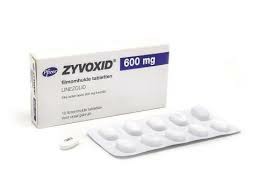
Linezolid has potent antimicrobial activity against a variety of tuberculosis strains, including multidrug-resistant and susceptible strains. This means that linezolid can effectively exert its bactericidal effect regardless of whether Mycobacterium tuberculosis has become resistant to other antibacterial drugs. This feature gives linezolid a significant advantage in the treatment of drug-resistant pulmonary tuberculosis, making it an important choice for clinicians to deal with complex cases.
Compared with other antibacterial drugs, linezolid is less likely to induce bacterial resistance in vitro. This is due to its unique mechanism of action and chemical structure, which makes it difficult for bacteria to evade the bactericidal effect of linezolid through mutation or acquired resistance mechanisms. Therefore, during long-term treatment, linezolid can maintain its effectiveness against Mycobacterium tuberculosis and reduce the risk of treatment failure.
Linezolid preparations are beneficial to improving the survival rate and quality of life of patients with pulmonary tuberculosis. By inhibiting the proliferation of tuberculosis bacteria and reducing the symptoms of infection, linezolid can help patients recover faster and reduce the occurrence of complications. At the same time, its broad antibacterial activity and resistance to drug resistance also enhance the effectiveness of tuberculosis prevention and treatment, providing clinicians with more treatment options.
References:
https://www.sciencedirect.com/science/article/pii/S1876034123003994
[ 免责声明 ] 本页面内容来自公开渠道(如FDA官网、Drugs官网、原研药厂官网等),仅供持有医疗专业资质的人员用于医学药学研究参考,不构成任何治疗建议或药品推荐。所涉药品可能未在中国大陆获批上市,不适用于中国境内销售和使用。如需治疗,请咨询正规医疗机构。本站不提供药品销售或代购服务。


