
.jpeg)
Pharmacological mechanism and clinical benefits of mitotane
Mitotane is a drug used to treat adrenocortical cancer and other diseases. It has a unique pharmacological mechanism and significant clinical benefits.
The pharmacological effects of mitotane are mainly based on its interference with adrenocortical cell function. Specifically, mitotane can inhibit mitochondrial function in adrenocortical cells, interfere with mitochondrial respiratory chain activity, thereby blocking the synthesis and secretion of cortisol and androgens. This mechanism is particularly important for functional adrenocortical carcinomas, since excessive secretion of cortisol and androgens is one of the main features of this type of tumor.
In addition, mitotane inhibits the function of sterol-O-acyltransferase1 (SOAT1), an enzyme that plays a key role in cholesterol metabolism. Mitotane inhibits SOAT1, causing free cholesterol and fatty acids to accumulate in cells, thereby inducing endoplasmic reticulum stress response and promoting cancer cell apoptosis. This process not only reduces the growth and division of tumor cells, but also eliminates abnormal cells by inducing apoptosis.
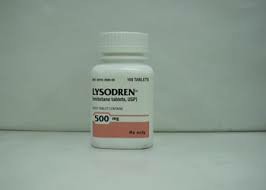
Mitotane has demonstrated remarkable efficacy in clinical applications. For patients with adrenocortical cancer, mitotane can significantly reduce tumor volume, relieve symptoms of hypercortical function, and improve patients' quality of life. Especially for patients with unresectable advanced or recurrent adrenocortical cancer, mitotane is often used as a first-line treatment and can prolong the patient's survival.
In addition, mitotane is also suitable for the treatment of adrenal cortical hyperplasia and hypercortisolism. In these diseases, mitotane inhibits the synthesis and secretion of cortisol, reducing the damage caused by excessive cortisol to the body, thereby alleviating the symptoms of patients.
It is worth noting that the efficacy of mitotane is closely related to the patient's specific condition. The doctor will develop a personalized treatment plan based on the patient's tumor type, stage, physical condition and other factors, closely monitor the patient's condition changes, and adjust the treatment plan in a timely manner to optimize the efficacy.
References:
https://pmc.ncbi.nlm.nih.gov/articles/PMC8582505/
xa0
[ 免责声明 ] 本页面内容来自公开渠道(如FDA官网、Drugs官网、原研药厂官网等),仅供持有医疗专业资质的人员用于医学药学研究参考,不构成任何治疗建议或药品推荐。所涉药品可能未在中国大陆获批上市,不适用于中国境内销售和使用。如需治疗,请咨询正规医疗机构。本站不提供药品销售或代购服务。


