
.jpeg)
Molecular formula and pharmacological effects of nintedanib
Nintedanib (Nintedanib) is an oral small molecule drug with the chemical formula C21H24N4O4S. It is mainly used to treat idiopathic pulmonary fibrosis (IPF), and is also used for systemic sclerosis-related interstitial lung disease and chronic fibrosing interstitial lung disease with a progressive phenotype. As a small molecule kinase inhibitor, nintedanib affects cell proliferation and migration through multiple mechanisms, thus demonstrating its unique pharmacological effects in the clinic.
Nintedanib exists in the form of ethanesulfonate (esylate), and its chemical name is 1H-indole-6-carboxylic acid, 2,3-dihydro-3-[[4-[(4-1-piperazinyl)acetyl]amino]phenyl]amino]phenyl nitroso-2-oxoester, (3Z)-ethanesulfonate (1:1). The drug is available in two dosage strengths, 100 mg and 150 mg, and contains 120.40 mg or 180.60 mg of nintedanib.
In terms of pharmacological mechanism, nintedanib mainly exerts its medicinal effects by inhibiting the activity of multiple kinases. It can target tumor growth factor β (TGF-β), platelet-derived growth factor (PDGF) and transforming growth factor (FGF), etc., ultimately leading to the inhibition of the proliferation and migration of lung fibroblasts. These cells play a key role in the process of pulmonary fibrosis. Therefore, by regulating these signaling pathways, nintedanib can effectively slow down the process of fibrosis and improve patients' lung function.
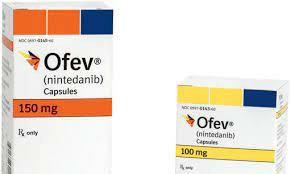
Clinical trial results show that nintedanib can significantly delay the decline of lung function in patients with idiopathic pulmonary fibrosis, and this effect has been verified in multiple studies. For example, results from a large-scale randomized controlled trial showed that patients treated with nintedanib had a significantly lower rate of decline in lung function than those in the control group. This not only improves patients' quality of life, but also provides new treatment options for patients' long-term management.
However, nintedanib should be used with caution. Drugs may cause some adverse reactions, the most concerning of which is the risk of drug-induced liver injury. This risk is particularly significant during the first three months of treatment. Therefore, doctors usually conduct baseline liver function tests on patients before prescribing this drug, and regularly monitor liver function in the early stages of treatment to detect potential liver damage in a timely manner. Once symptoms of liver injury such as jaundice and right upper quadrant pain occur, doctors should immediately conduct liver function assessment and decide whether to continue taking medication based on the results.
In addition, nintedanib is not suitable for use in patients with existing moderate to severe liver impairment (e.g.Child-Pugh class B or C), this group of people may face higher safety risks during treatment. Therefore, before clinical use of nintedanib, doctors need to conduct a comprehensive assessment of the patient's liver health to ensure the safety of the medication
Overall, nintedanib, as an innovative therapeutic drug for idiopathic pulmonary fibrosis and related diseases, has become an important choice in this field due to its unique pharmacological mechanism and good clinical effects. But its safety still needs to be carefully monitored, especially in patients with poor liver health.
Reference materials:https://dailymed.nlm.nih.gov/dailymed/drugInfo.cfm?setid=da1c9f37-779e-4682-816f-93d0faa4cfc9##
[ 免责声明 ] 本页面内容来自公开渠道(如FDA官网、Drugs官网、原研药厂官网等),仅供持有医疗专业资质的人员用于医学药学研究参考,不构成任何治疗建议或药品推荐。所涉药品可能未在中国大陆获批上市,不适用于中国境内销售和使用。如需治疗,请咨询正规医疗机构。本站不提供药品销售或代购服务。


