
.jpeg)
Overview of the efficacy and side effects of selumetinib in the treatment of neurofibromatosis type 1
Selumetinib, a MEK1/2 inhibitor developed by AstraZeneca, has become an important drug in the treatment of plexiform neurofibromas (PN) in neurofibromatosis type 1 (NF1) in recent years. NF1 is a hereditary disease caused by mutations in the NF1 gene. Its typical symptoms include the formation of cutaneous neurofibromas and skin pigmentation. In some patients, tumors on the nerve sheath develop into plexiform neurofibromas, causing problems such as pain and limited movement.
Regarding the therapeutic effect of selumetinib, according to data from a phase II clinical trial (SPRINT Stratum 1) involving50 patients, the drug has achieved remarkable results in the treatment of plexiform neurofibromas. Specifically, 66% of patients treated with selumetinib achieved a complete or partial response, meaning their tumors shrank by at least 20%. This result undoubtedly brings new treatment options for patients affected by NF1, especially those with plexiform neurofibromas.
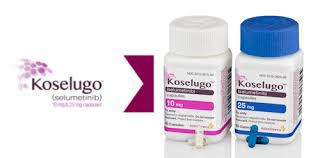
However, like many other drugs, selumetinib may be associated with a range of side effects during treatment. Common side effects include vomiting, rash, abdominal pain, nausea, diarrhea, dry skin, fatigue, musculoskeletal pain, etc. Although most of these reactions are mild to moderate, they may still have a certain impact on the patient's daily life.
In addition to these common side effects, selumetinib may also cause some more serious side effects, such as cardiomyopathy, ocular toxicity, and muscle problems (such as rhabdomyolysis). Although these serious side effects are relatively rare, if they occur, immediate medical action is required to ensure patient safety.
Therefore, when treating with selumetinib, doctors need to comprehensively consider the patient's specific condition, physical condition, and potential treatment risks. At the same time, patients should also fully understand the efficacy and possible side effects of the drug, and carry out standardized treatment under the guidance of a doctor.
In summary, selumetinib is an effective treatment for plexiform neurofibromas (PN) in neurofibromatosis type 1 (NF1). Although it shows good therapeutic effect, it is also accompanied by various side effects. Therefore, during use, patients and doctors need to fully understand the potential risks and use medications rationally under professional guidance to ensure the safety and effectiveness of treatment.
References:
https://www.drugs.com/history/koselugo.html
[ 免责声明 ] 本页面内容来自公开渠道(如FDA官网、Drugs官网、原研药厂官网等),仅供持有医疗专业资质的人员用于医学药学研究参考,不构成任何治疗建议或药品推荐。所涉药品可能未在中国大陆获批上市,不适用于中国境内销售和使用。如需治疗,请咨询正规医疗机构。本站不提供药品销售或代购服务。


