
.jpeg)
Study on the efficacy of linezolid in treating pulmonary infection
Pulmonary infection, as a common respiratory disease, has diverse pathogens, including bacteria, viruses, fungi, etc. Among them, lung infections caused by bacteria are particularly common and may become more difficult to treat due to the emergence of drug-resistant strains. In this context, linezolid, as a new antibiotic drug, brings new hope for the treatment of pulmonary infections.
Linezolid, an oxazolidinone antibiotic, has a unique antibacterial mechanism that enables it to have strong antibacterial activity against a variety of Gram-positive bacteria, including those that are resistant to traditional antibiotics. Linezolid has shown significant efficacy in the treatment of pulmonary infections. It can quickly penetrate into lung tissue and bronchoalveolar lavage fluid to reach an effective drug concentration, thereby killing pathogens, alleviating inflammatory reactions, and promoting the healing of lung lesions.
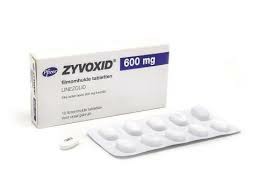
Linezolid has many advantages over traditional antibiotics in treating lung infections. First of all, it has a broad antibacterial spectrum and is not only sensitive to common Staphylococcus aureus and Streptococcus pneumoniae, but also shows strong bactericidal ability against drug-resistant strains such as methicillin-resistant Staphylococcus aureus (MRSA). Secondly, the pharmacokinetic properties of linezolid enable it to be widely distributed in lung tissue and maintain effective drug concentrations for a long time, thereby ensuring therapeutic effect. In addition, the safety profile of linezolid is relatively high. Although some side effects may occur during long-term use, most of them can be alleviated by adjusting the drug dosage or changing the drug.
In practical applications, linezolid is often used as part of a combination treatment regimen with other antibiotics to improve efficacy. This combined drug strategy can more comprehensively cover possible pathogens, reduce the development of drug resistance, and improve the cure rate. At the same time, based on the specific situation of the patient, doctors will also adjust the treatment plan based on the etiological examination results and clinical efficacy to ensure the pertinence and effectiveness of the treatment.
References:
https://pubmed.ncbi.nlm.nih.gov/17242642/
xa0
[ 免责声明 ] 本页面内容来自公开渠道(如FDA官网、Drugs官网、原研药厂官网等),仅供持有医疗专业资质的人员用于医学药学研究参考,不构成任何治疗建议或药品推荐。所涉药品可能未在中国大陆获批上市,不适用于中国境内销售和使用。如需治疗,请咨询正规医疗机构。本站不提供药品销售或代购服务。


