
.jpeg)
Common side effects and treatment methods of upadatinib extended-release tablets
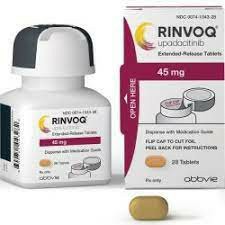
Upadatinib is a new type of anti-rheumatic drug mainly used to treat autoimmune diseases such as rheumatoid arthritis. Although this drug has shown good efficacy in clinical applications, patients may experience some side effects during use, which affects their quality of life. Therefore, it is particularly important to understand the common side effects of upadatinib and how to deal with them.
During the use of upadatinib, the most common side effects in patients include upper respiratory tract infection, herpes zoster, herpes simplex virus infection, bronchitis, etc. These infections usually present with symptoms of the common cold, such as sore throat, cough, runny nose, etc. Patients should keep warm and get proper rest to improve their immunity. At the same time, if severe infection symptoms occur, you should seek medical treatment promptly and receive appropriate antiviral or antibiotic treatment.
In addition, nausea, fever, headache, and elevated blood levels of creatine phosphokinase are also common. For nausea, consider taking upadacitinib after a meal, or ask your doctor if you need to adjust the dose. When fever occurs, patients can relieve it through physical cooling. When it comes to headaches, getting enough rest and drinking fluids can help relieve symptoms. If symptoms don't go away, seek immediate medical attention.
Skin side effects such as acne, folliculitis, and rashes are also something patients need to be concerned about. Keeping your skin clean, using gentle skin care products, and avoiding sun exposure can help reduce the occurrence of skin problems. If a severe rash or allergic reaction occurs, patients should stop taking the medication immediately and seek medical advice.
In addition, upadatinib may cause weight gain, fatigue, flu-like illness, and other problems. Patients are advised to monitor their weight regularly during medication and maintain moderate exercise and a healthy diet to control weight and enhance physical fitness. Fatigue can be improved through reasonable arrangements of work and rest time, appropriate exercise and dietary adjustments.
In terms of blood, upadatinib may cause a decrease in the number of certain types of white blood cells (such as neutropenia) and anemia. Patients should conduct regular blood routine examinations during the medication period, keep abreast of changes in blood indicators, and adjust the medication plan according to the doctor's guidance when necessary.
In short, although upadatinib is an effective treatment drug, it may cause a variety of side effects during use. Patients should pay close attention to their own body reactions and communicate with their doctors in a timely manner so that appropriate measures can be taken to ensure the safety and efficacy of medication.
References:
https://www.rinvoq.com/rheumatoid-arthritis/about-rinvoq/what-is-rinvoq
xa0
[ 免责声明 ] 本页面内容来自公开渠道(如FDA官网、Drugs官网、原研药厂官网等),仅供持有医疗专业资质的人员用于医学药学研究参考,不构成任何治疗建议或药品推荐。所涉药品可能未在中国大陆获批上市,不适用于中国境内销售和使用。如需治疗,请咨询正规医疗机构。本站不提供药品销售或代购服务。


