
.jpeg)
Effect of linezolid in the treatment of secondary pulmonary tuberculosis
Linezolid has shown good clinical results in the treatment of secondary pulmonary tuberculosis (secondary tuberculosis), especially drug-resistant secondary tuberculosis.
Linezolid is an oxazolidinone antibiotic whose unique mechanism of action is to inhibit bacterial protein synthesis. It inhibits bacterial protein synthesis in the early stages of translation by binding to the 50S subunit of bacterial ribosomes and preventing the attachment of mRNA to ribosomes. This mechanism of action allows linezolid to have potent antibacterial activity against a variety of drug-resistant bacteria, including drug-resistant Mycobacterium tuberculosis.
Secondary tuberculosis usually results from reactivation or reinfection with Mycobacterium tuberculosis. For such patients, especially those who are resistant to traditional anti-tuberculosis drugs, treatment becomes significantly more difficult. The emergence of linezolid provides new treatment options for these patients.
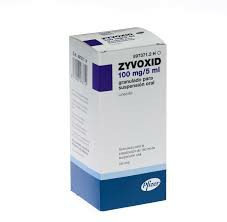
Clinical studies have shown that linezolid is excellent in treating drug-resistant secondary tuberculosis. It can quickly reduce sputum bacterial load, improve treatment success rate, and reduce the further development of drug resistance. In addition, linezolid also has good tissue permeability and can reach higher drug concentrations in lung tissue, thereby better exerting its antibacterial effect.
For patients with drug-resistant secondary pulmonary tuberculosis, linezolid combined with other anti-tuberculosis drugs can significantly improve the success rate of treatment. Multiple clinical studies have shown that the sputum negative conversion rate and lesion absorption rate of patients treated with linezolid are significantly higher than those of patients not treated with linezolid.
Linezolid has a unique mechanism of action and is not prone to cross-resistance with other antibacterial drugs that inhibit protein synthesis. This allows linezolid to reduce the further development of drug resistance and protect the efficacy of other anti-tuberculosis drugs when treating secondary pulmonary tuberculosis.
The use of linezolid can also quickly improve patients' clinical symptoms, such as cough, sputum, fever, etc. This helps improve patients’ quality of life and reduces the risk of disease transmission.
References:
https://pmc.ncbi.nlm.nih.gov/articles/PMC6426281/
xa0
[ 免责声明 ] 本页面内容来自公开渠道(如FDA官网、Drugs官网、原研药厂官网等),仅供持有医疗专业资质的人员用于医学药学研究参考,不构成任何治疗建议或药品推荐。所涉药品可能未在中国大陆获批上市,不适用于中国境内销售和使用。如需治疗,请咨询正规医疗机构。本站不提供药品销售或代购服务。


