
.jpeg)
What are the possible serious side effects of taking Aceminid? How should we respond?
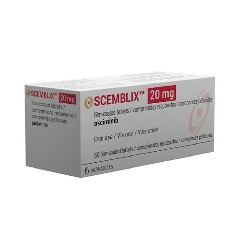
Aximini (trade nameScemblix), as an innovative drug in the treatment of chronic myelogenous leukemia (CML), has brought new treatment hope to many patients. However, as with all medications, aceminib may be associated with a range of serious side effects while being effective. So, what serious side effects may patients encounter while taking Asiminib? How to deal with it effectively?
First, severe allergic reactions are a significant possible risk with Asiminib. Patients should be highly vigilant if they experience symptoms such as difficulty breathing, rapid heartbeat, fever, swollen lymph nodes, and swelling of the face and throat after taking the drug, as this may be a sign of an allergic reaction. At this time, the patient should stop taking the medicine immediately and seek medical treatment quickly, because allergic reactions may develop rapidly, and timely treatment is crucial to avoid serious consequences.
Secondly, aximini may also have an impact on the patient's blood system, leading to blood diseases such as anemia, thrombocytopenia, and neutropenia. These illnesses can cause symptoms such as fever, shortness of breath, pale skin, easy bleeding, and frequent infections. Patients should pay close attention to their physical condition while taking the medicine. Once the above symptoms occur, they should promptly inform the doctor and undergo relevant examinations so that the treatment plan can be adjusted in a timely manner to ensure the health of the blood system.
Additionally, pancreatitis is one of the possible serious side effects of Asiminib. If a patient experiences symptoms such as vomiting, severe pain in the upper abdomen that radiates to the back after taking the drug, the possibility of pancreatitis should be highly suspected. At this time, the patient should stop taking the medication immediately and contact a doctor for diagnosis and treatment as soon as possible. Timely treatment of pancreatitis is of great significance to prevent further deterioration of the condition and protect pancreatic function.
In people with high blood pressure, taking aximinib may increase the risk of increased blood pressure. Patients should monitor their blood pressure regularly while taking the drug. If symptoms such as severe headache, chest pain, dizziness, difficulty breathing, tinnitus, nosebleeds or abnormal heartbeat occur, it may be a sign of elevated blood pressure. At this time, patients should consult a doctor in time to adjust the use of antihypertensive drugs to ensure that blood pressure is controlled within a safe range and reduce the occurrence of cardiovascular complications.
Finally, aceminid may also increase the risk of heart attack and stroke, especially in people with a history of heart disease or who are taking certain medications. Patients should pay close attention to their cardiovascular health while taking the drug. If they experience symptoms such as chest pain, abnormal heartbeat, difficulty breathing, back pain, slurred speech or understanding, and pain in the back, jaw, throat, or arms, they should seek emergency medical help immediately to save their lives.
In summary, although aceminib provides an effective treatment option for CML patients, its potential serious side effects cannot be ignored. Patients should pay close attention to their own conditions while taking the medication, maintain close communication with their doctors, and jointly develop a personalized treatment plan. Once abnormal symptoms occur, you should stop taking the medication immediately and seek medical help to ensure the safety and effectiveness of the treatment.
References:
https://www.webmd.com/drugs/2/drug-182645/scemblix-oral/details
[ 免责声明 ] 本页面内容来自公开渠道(如FDA官网、Drugs官网、原研药厂官网等),仅供持有医疗专业资质的人员用于医学药学研究参考,不构成任何治疗建议或药品推荐。所涉药品可能未在中国大陆获批上市,不适用于中国境内销售和使用。如需治疗,请咨询正规医疗机构。本站不提供药品销售或代购服务。


