
.jpeg)
Mitotane (Mitotan) user manual detailed explanation
Mitotane is an important drug widely used in the treatment of certain endocrine diseases, especially adrenocortical carcinoma and Cushing's syndrome. Its indications mainly include adrenocortical cancer that cannot be cured by surgery, and metabolic disorders caused by excessive secretion of cortisol by the adrenal cortex, namely Cushing's syndrome. Both conditions have a significant impact on patients' quality of life, and mitotane is an effective treatment option that can improve these conditions to some extent.
Adrenocortical carcinoma is a malignant tumor characterized by abnormal proliferation of adrenocortical cells. This cancer is often diagnosed at an inoperable level, placing a huge psychological and physical burden on patients. Mitotane effectively reduces the secretion of hormones by inhibiting the function of the adrenal cortex, thereby slowing down the growth and spread of cancer cells. Studies have shown that mitotane can significantly improve patient survival rates and in some cases shrink tumors, thereby improving patients' quality of life.
Cushing's syndrome is a disease caused by excessive secretion of cortisol from the adrenal cortex. It is often accompanied by a series of metabolic disorders, such as hyperglycemia, hypertension, weight gain, and muscle weakness. Mitotane plays an equally significant role in this area. By reducing excessive cortisol secretion, it can effectively control patients' symptoms and reduce the risk of related complications. Therefore, mitotane is considered one of the important therapeutic drugs for such diseases.
The mechanism of action of Mitotane is relatively complex. It can effectively interfere with the normal function of adrenocortical cells and inhibit the synthesis and release of hormones such as cortisol, androgens and estrogen. This process helps reduce symptoms associated with excessive hormone secretion, such as high blood pressure and hypokalemia. In addition, mitotane also has direct cytotoxic effects and can inhibit DNA synthesis and protein synthesis of tumor cells, thus interfering with the metabolism and proliferation of tumor cells. This intervention ultimately leads to the death or growth arrest of tumor cells, thereby delaying tumor progression.
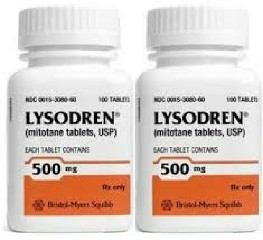
It should be noted that the therapeutic concentration range of mitotane is relatively narrow, so strict monitoring must be carried out during treatment to ensure that the blood concentration is maintained at an appropriate level. Doctors will flexibly adjust the dosage based on the patient's individual response to ensure optimal treatment and minimize the risk of side effects.
In terms of dosage, for pediatric patients, the starting dose of mitotane is generally 0.5 to 1 grams per day , and for children 2 to 8 years old, the dose can be adjusted to 1 per dayto4 grams. The recommended dosage for adult patients is 2 to 6 grams, usually divided into three to four doses. If necessary, it can be increased to 9 to 10 grams per day. For patients with Cushing's syndrome caused by pituitary disease, the recommended dose is 3 to 6 grams per day, which also needs to be taken three to four times. The maintenance dose can be adjusted according to the situation, ranging from 500 milligrams twice a week to about 2 grams per day.
Although mitotane is effective, its side effects cannot be ignored. Central nervous system depression is one of the common side effects, and patients may feel dizziness, drowsiness, etc. In addition, gastrointestinal reactions such as nausea, vomiting, and loss of appetite also occur frequently, which may affect the patient's nutrient absorption. At the same time, some patients may develop rash after using mitotane. Mild rash usually does not require special treatment, but if moderate or severe rash occurs, local or systemic treatment may be required. Other potential side effects include headache, high blood pressure, hypotension, depression, confusion, muscle tremors, and hemorrhagic cystitis. Long-term use of mitotane at high doses may also cause damage to the brain or nervous system. These risks that cannot be ignored remind us to remain vigilant when using this drug.
Patients who experience an allergic reaction to any of its components while being treated with mitotane should discontinue the medication immediately and seek medical attention. In addition, key indicators such as blood drug concentration and blood pressure should be regularly monitored during treatment so that the dose can be adjusted in a timely manner when necessary to ensure drug safety.
Drug-drug interactions are also a factor to consider carefully when using mitotane. For example, mitotane may reduce the efficacy of spironolactone, so using the two drugs together is not recommended. At the same time, the co-use of alcohol, certain antihistamines, and sedatives with mitotane may increase the depressant effect of the central nervous system, leading to more pronounced drowsiness and dizziness. In addition, the effect of mitotane on liver metabolism is also important. It may enhance the metabolism of certain drugs (such as barbiturates, warfarin) and reduce their efficacy. Therefore, when using coumarin anticoagulants, regular monitoring of coagulation tests is required.
Finally, special groups such as children, pregnant women, the elderly, and people with liver and kidney dysfunction must be extra cautious when taking medications to ensure the safety and effectiveness of the drugs. When using mitotane for treatment, close communication should be maintained with professional medical personnel, and regular evaluation and monitoring should be carried out so that the treatment plan can be adjusted in a timely manner to ensure that the patient obtains the best treatment effect.
References:
https://www.oncolink.org/cancer-treatment/oncolink-rx/mitotane-lysodren-R
xa0
[ 免责声明 ] 本页面内容来自公开渠道(如FDA官网、Drugs官网、原研药厂官网等),仅供持有医疗专业资质的人员用于医学药学研究参考,不构成任何治疗建议或药品推荐。所涉药品可能未在中国大陆获批上市,不适用于中国境内销售和使用。如需治疗,请咨询正规医疗机构。本站不提供药品销售或代购服务。


