
.jpeg)
How long is a course of capmatinib treatment?
Capmatinib is a targeted drug used to treat patients with non-small cell lung cancer (NSCLC) with skip mutations in MET exon 14. Its treatment cycle is usually based on the individual's condition and treatment response. The standard treatment regimen recommends patients take 400 mg orally twice daily. There is no fixed time limit for a course of treatment, but it lasts until the patient's condition progresses or intolerable side effects occur.
In clinical practice, the patient's course of treatment will be affected by the evaluation of efficacy. After initial treatment, imaging evaluation is usually done within 2 to 3 months to see if the tumor has shrunk or the disease has stabilized. If the disease is controlled and the patient tolerates treatment, the course of treatment may be extended for months or even years. This personalized treatment design helps maximize treatment results.
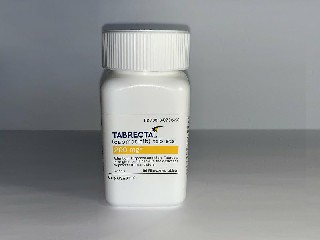
Because capmatinib is a targeted drug, its use is usually throughout the entire course of treatment. Some patients may require long-term medication to control tumor growth, a treatment approach similar to chronic disease management. Treatment will continue as long as the patient tolerates the drug well and the disease does not progress. For some patients, long-term use of capmatinib can significantly extend progression-free survival (PFS).
If a patient develops serious side effects while taking the medication, the doctor may temporarily interrupt treatment or adjust the dose. In some cases, if a patient's disease progresses or becomes resistant to the drug, treatment may be discontinued and switched to other treatment options. Therefore, the length of capmatinib treatment course will vary depending on individual differences and needs to be flexibly adjusted according to the patient's specific conditions.
In clinical trials, the duration of capmatinib treatment is usually linked to time to disease progression (TTP) and progression-free survival (PFS). For example, in one pivotal study, patients were treated for a median of 5.5 months, but some patients were treated for more than 12 months. Clinical trials and real-world application data show that the length of treatment varies depending on the patient's individual response, genetic mutation characteristics, and treatment tolerance.
xa0
Reference materials
FDA Capmatinib Approval Information -
https://www.fda.gov/drugs/drug-approvals-and-databases/tabrecta-capmatinib
[ 免责声明 ] 本页面内容来自公开渠道(如FDA官网、Drugs官网、原研药厂官网等),仅供持有医疗专业资质的人员用于医学药学研究参考,不构成任何治疗建议或药品推荐。所涉药品可能未在中国大陆获批上市,不适用于中国境内销售和使用。如需治疗,请咨询正规医疗机构。本站不提供药品销售或代购服务。


