
.jpeg)
Precautions when using capmatinib
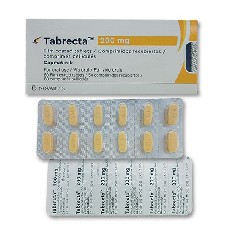
Capmatinib (Capmatinib) is a targeted therapy drug mainly used to treat patients with METexon14 skipping mutations (METexon14 patients with non-small cell lung cancer (NSCLC). As a targeted therapy drug, there are many things that need to be paid attention to when using capmatinib. The following are the main precautions for patients when using capmatinib.
1. Indications and pre-use assessment
The main indication of capmatinib is the treatment of non-small cell lung cancer patients with METexon 14 skipping mutations (METex14) or MET amplification. Before using capmatinib, doctors need to ensure that the patient has undergone relevant genetic testing to confirm that their cancer meets the indications for the drug. Patients who have not been screened for genetic mutations are at greater risk when treated with capmatinib, so it is recommended that all patients undergo genetic testing before treatment to ensure their suitability for the drug.
2. Dosage and administration
The recommended dose of capmatinib is 400 mg twice daily. Patients should take capmatinib correctly according to their doctor's instructions and avoid changes in dosage or frequency. Capmatinib is best taken with food; taking it on an empty stomach may affect the absorption of the drug. The medicine should be swallowed whole and should not be chewed, crushed or broken to avoid affecting the effectiveness of the medicine and causing unnecessary side effects.
If a patient misses a dose, the remaining dose should be taken as soon as possible that day, but the missed dose should be skipped if it is close to the next dose. Never take twice the dose at one time to make up for a missed dose.
3. Liver function monitoring
Capmatinib may affect liver function, therefore, patients need regular liver function monitoring during treatment. Especially in the early stages of medication, doctors should pay close attention to the patient's liver function indicators (such as ALT, AST, bilirubin, etc.). If abnormal liver function is found, the doctor may adjust the dose or suspend treatment. For patients with hepatic insufficiency, special caution is required when using capmatinib, and the dose should be adjusted under the guidance of a physician.
4. Adverse pulmonary reactions
The use of capmatinib may cause pulmonary-related adverse reactions, including interstitial lung disease (ILD) or pneumonitis. Patients should undergo regular chest imaging examinations, such as CT scans, to monitor lung health during treatment. If the patient develops symptoms such as persistent cough, difficulty breathing, chest pain or fever, he should report to the doctor immediately for timely diagnosis and treatment. If severe pulmonary adverse reactions occur, your doctor may recommend suspending or discontinuing drug treatment.
5. Adverse skin reactions
Capmatinib may cause adverse skin reactions, such as rash, peeling, or itching. Patients should keep their skin clean and dry during treatment and avoid overexposure to the sun. If serious skin reactions occur, patients should promptly inform their doctor, who will evaluate whether the drug needs to be discontinued or the dosage adjusted.
6. Affects pregnancy and breastfeeding
Capmatinib may have risks to pregnant and breastfeeding women. Women who are pregnant or planning to become pregnant should avoid using capmatinib. Additionally, breastfeeding women should stop breastfeeding because capmatinib may pass into breast milk, posing potential risks to the baby. Patients who plan to become pregnant or are breastfeeding during treatment should discuss appropriate alternative treatment options with their physician.
7. Allergic reaction
Capmatinib may cause allergic reactions such as rash, itching, and swelling of the face or throat. If these symptoms occur, stop taking the medicine immediately and seek medical help. Severe allergic reactions (such as anaphylactic shock) are extremely rare, but if they occur, patients require emergency treatment.
8. Drug interactions
Capmatinib may interact with other medications, affecting their efficacy or increasing the risk of side effects. Patients should tell their doctors about all medications they are taking while taking capmatinib, including prescription drugs, over-the-counter drugs, herbal remedies, and supplements. In particular, certain drugs, such as strong CYP3A4 inducers (such as phenobarbital, carbamazepine, etc.), may reduce the plasma concentration of capmatinib and reduce its therapeutic effect. Therefore, the use of these drugs should be avoided during treatment unless approved by your doctor.
9. Follow-up and monitoring during medication
In order to ensure the efficacy of the drug and detect potential side effects in a timely manner, patients need to undergo regular follow-up when taking capmatinib, including biochemical examinations, imaging examinations and clinical evaluations. Based on the test results, the doctor may adjust the drug dosage or treatment plan based on the patient's response. Patients need to strictly follow the doctor's requirements for examination and adjust the treatment plan as needed.
Capmatinib, as a targeted therapy, provides an effective treatment option for patients with non-small cell lung cancer. However, the drug needs to be used with caution, and patients should follow their doctor's instructions and undergo regular examinations and evaluations. By using capmatinib correctly, patients can maximize the effectiveness of their treatment and effectively manage possible side effects.
xa0
Reference materials
1.FDA Capmatinib Approval Information -
https://www.fda.gov/drugs/drug-approvals-and-databases/tabrecta-capmatinib
2.Novartis Capmatinib Product Information - https://www.novartis.com/
3.ClinicalTrials.gov Study Details for Capmatinib -
https://clinicaltrials.gov/ct2/show/NCT02414139
[ 免责声明 ] 本页面内容来自公开渠道(如FDA官网、Drugs官网、原研药厂官网等),仅供持有医疗专业资质的人员用于医学药学研究参考,不构成任何治疗建议或药品推荐。所涉药品可能未在中国大陆获批上市,不适用于中国境内销售和使用。如需治疗,请咨询正规医疗机构。本站不提供药品销售或代购服务。


