
.jpeg)
How to deal with the side effects of ritexitinib in the treatment of alopecia areata?
Ritexitinib, as a kinase inhibitor, is widely used to treat severe alopecia areata in adults and adolescents aged 12 years and above. Despite its clinical efficacy, ritexitinib, like many other drugs, may be associated with a range of side effects that may be mild or severe and may be temporary or long-lasting. So, how should patients deal with these side effects?
According to statistics, at least 1% of ritexitinib users will experience problems such as acne, diarrhea, dizziness and rash. Faced with these common side effects, patients do not need to panic, but they should contact their doctor in time. The doctor will adjust the medication plan or provide corresponding relief measures based on the patient's specific situation. For example, with acne, patients can try over-the-counter anti-acne medications and keep their skin clean to reduce symptoms. Patients with diarrhea should pay attention to dietary adjustments, choose easily digestible foods, and increase water intake to prevent dehydration.
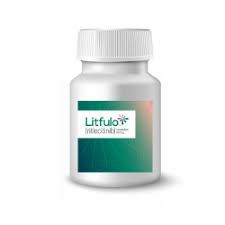
In addition to common side effects, patients need to be especially wary of some potentially serious reactions. Seek immediate medical attention if you develop symptoms such as inflamed hair follicles or pores, signs of blood clots in your arms or legs, or blood clotting problems. These symptoms can worsen rapidly and pose a serious threat to the patient's health. Therefore, patients should remain highly vigilant during medication, regularly self-examine their physical condition, and maintain close communication with their doctors.
Additionally, signs of infection are a cause for special concern for patients. Symptoms such as fever, shortness of breath, long-term dizziness, and weight loss may be signs of infection, and patients need to seek professional medical help promptly. Because ritexitinib has an immunomodulatory effect, patients may be more susceptible to infection during treatment, so they should proactively consult their doctors about infection prevention measures and response strategies.
In rare cases, patients may experience emergencies such as severe allergic reactions, heart attacks, or strokes. Once symptoms such as abdominal cramps, difficulty breathing, and severe chest pain occur, patients should stop taking the drug immediately and seek emergency medical assistance. These symptoms often indicate serious health risks, and prompt treatment is crucial to avoid further harm.
In conclusion, although ritexitinib performs well in the treatment of severe alopecia areata, its side effects cannot be ignored. During treatment, patients should increase their awareness of drug side effects, maintain close communication with their doctors, and actively take measures to manage and alleviate these reactions. At the same time, conduct regular physical examinations, pay attention to changes in your own health, and ensure that you can receive timely medical intervention when necessary.
References:
https://medbroadcast.com/drug/getdrug/litfulo
[ 免责声明 ] 本页面内容来自公开渠道(如FDA官网、Drugs官网、原研药厂官网等),仅供持有医疗专业资质的人员用于医学药学研究参考,不构成任何治疗建议或药品推荐。所涉药品可能未在中国大陆获批上市,不适用于中国境内销售和使用。如需治疗,请咨询正规医疗机构。本站不提供药品销售或代购服务。


