
.jpeg)
An in-depth analysis of the efficacy of capmatinib in the treatment of lung cancer
Capmatinib (Capmatinib), as a targeted therapy drug for non-small cell lung cancer (NSCLC), is gradually becoming a new favorite in the treatment field, especially for patients with MET gene mutations or MET gene amplifications. As a leader in MET inhibitors, capmatinib accurately targets the MET receptor tyrosine kinase and effectively blocks the growth and proliferation signals of tumor cells, bringing new treatment hope to many lung cancer patients. The following is a comprehensive and in-depth analysis of the therapeutic effects of capmatinib.
1. Precise indications, targetingMETmutation targets
Capmatinib is expressly approved for the treatment of non-small cell lung cancer with MET gene mutations or MET gene amplification, particularly those with advanced or metastatic disease. METGene mutations are closely linked to cancer progression and drug resistance, while METamplification is common in certain types of lung cancer. Capmatinib is unique in that it can precisely inhibit these mutated MET receptors, thereby cutting off the source of tumor cell proliferation.
2. Clinical research proves that the efficacy is significant
The clinical efficacy of capmatinib has been fully verified in multiple studies, among which the GEOMETRY mono-1 study is particularly eye-catching. This multicenter clinical trial specifically evaluated capmatinib in MET-driven non-small cell lung cancer. The study results showed that capmatinib showed impressive efficacy in patients with advanced non-small cell lung cancer with MET amplification.
Specifically, capmatinib can significantly extend the progression-free survival (PFS) of patients, allowing patients to maintain stable disease for a longer period of time. At the same time, some patients have achieved partial remission (PR) or even stable disease (SD) after treatment, and their quality of life has been significantly improved. It is worth mentioning that the efficacy of capmatinib is closely related to the patient’s METAmplification status is highly correlated. MET Patients with more obvious amplification will have a more significant response to capmatinib.
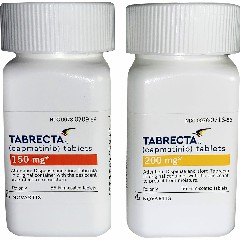
3. Overcome drug resistance and extend the treatment window
Capmatinib not only performs well in terms of therapeutic effect, but also shows unique advantages in overcoming drug resistance. During the treatment process, many patients will develop drug resistance due to long-term use of other targeted drugs (such as EGFR inhibitors). Capmatinib can effectively inhibit the MET signaling pathway, thereby helping patients overcome this problem. Especially for those patients who have both MET gene amplification and EGFR mutation or ALK rearrangement, capmatinib provides a new treatment option.
In addition, capmatinib has also shown high efficacy in the treatment of refractory patients. Whether they are newly treated patients or patients who have developed resistance after other treatments, capmatinib can bring them new treatment hope. This makes capmatinib occupy an important position in the treatment of advanced non-small cell lung cancer.
4. Side effects are controllable and well tolerated
Although capmatinib has shown remarkable efficacy in the treatment of non-small cell lung cancer, its side effects cannot be ignored. Common adverse reactions include gastrointestinal discomfort (such as diarrhea, nausea), rash, fatigue, etc. However, most of these side effects are mild to moderate and can be effectively managed with supportive care. Some patients may have problems such as abnormal liver function or impaired kidney function, so liver and kidney function tests need to be performed regularly during treatment to ensure patient safety.
As the research on capmatinib continues to deepen and clinical data continues to accumulate, its therapeutic indications are expected to be further expanded. Especially when used in combination with other targeted drugs or immunotherapy, it may bring more comprehensive and lasting therapeutic effects to lung cancer patients. At present, the therapeutic effect of capmatinib has been widely recognized by the industry, but its long-term efficacy and safety still need to be further confirmed through more clinical studies.
In summary, capmatinib, as a drug targeting MET receptors, has shown significant efficacy in the treatment of MET driven non-small cell lung cancer. Through precise suppressionMET Gene mutation or amplification, capmatinib not only prolongs the survival of patients, but also improves their quality of life. Although there are certain side effects, most of them are controllable and manageable. With the continuous deepening of clinical trials and the continuous accumulation of data, we have reason to believe that the application prospects of capmatinib will be broader and bring new treatment hope to more lung cancer patients.
xa0
Reference materials
1.Official website of Novartis:https://www.novartis.com
2.United StatesFDAInstructions on capmatinib:https://www.fda.gov
[ 免责声明 ] 本页面内容来自公开渠道(如FDA官网、Drugs官网、原研药厂官网等),仅供持有医疗专业资质的人员用于医学药学研究参考,不构成任何治疗建议或药品推荐。所涉药品可能未在中国大陆获批上市,不适用于中国境内销售和使用。如需治疗,请咨询正规医疗机构。本站不提供药品销售或代购服务。


