
.jpeg)
How soon is resistance to capmatinib likely to appear and how to deal with it
Capmatinib (Capmatinib), as a targeted therapy for MET gene mutations or amplifications, has shown remarkable results in the treatment of MET driven patients with non-small cell lung cancer (NSCLC). However, like many targeted drugs, some patients will encounter resistance problems during long-term use of capmatinib. The emergence of drug resistance is often closely related to tumor cells evading drug inhibition through various mechanisms.
Specifically, the resistance time to capmatinib varies depending on individual patient differences and tumor characteristics, but it is generally concentrated between a few months to one year after the start of treatment. The development of drug resistance is usually related to genetic mutations and metabolic pathway adjustments in tumor cells, as well as the emergence of new target mutations during treatment. For example, secondary mutations in the MET receptor may cause capmatinib to lose its original inhibitory effect, leading to drug resistance. At the same time, tumor cells may also avoid capmatinib attack by activating other signaling pathways such as EGFR or PI3K/Akt.
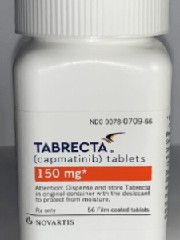
Clinical data, such asGEOMETRY As shown in the mono-1 study, the approximate time frame of capmatinib resistance is revealed, that is, approximately 50% to 60% of patients will develop resistance within 6 to 12 months after treatment. Once drug resistance occurs, the patient's condition often deteriorates rapidly and requires follow-up treatment intervention.
Facing the problem of capmatinib resistance, treatment strategies are diverse, including switching to other targeted drugs, chemotherapy or immunotherapy. For patients with MET drug resistance in lung cancer, in addition to replacing MET inhibitors, new treatments such as combination therapy or immunotherapy are also worth considering. For example, the combination of certain MET inhibitors may help overcome drug resistance and extend patients' progression-free survival.
Although the problem of capmatinib resistance still remains a challenge, with the continuous development of new drugs and treatment strategies, this problem is expected to be alleviated. In the future, personalized treatment, the combination of multiple treatment options, and the emergence of new targeted drugs will provide more treatment options for capmatinib-resistant patients. At the same time, in-depth clinical research will further reveal the mechanism of capmatinib resistance and help develop more effective response strategies.
xa0
Reference materials
Official website of Novartis: https://www.novartis.com
[ 免责声明 ] 本页面内容来自公开渠道(如FDA官网、Drugs官网、原研药厂官网等),仅供持有医疗专业资质的人员用于医学药学研究参考,不构成任何治疗建议或药品推荐。所涉药品可能未在中国大陆获批上市,不适用于中国境内销售和使用。如需治疗,请咨询正规医疗机构。本站不提供药品销售或代购服务。


