
.jpeg)
Will selinesol develop resistance? What should you do if you develop drug resistance?
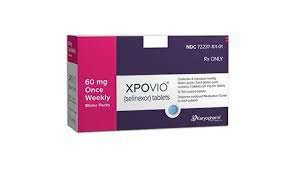
Selinexor (Selinexor) is a nuclear export inhibitor that works by inhibiting the XPO1 protein and has shown significant efficacy in diseases such as multiple myeloma and diffuse large B cell lymphoma. However, similar to other anticancer drugs, long-term use of selinesol may lead to drug resistance due to multiple mechanisms. For example, the XPO1 gene may undergo mutations that reduce the effectiveness of drug binding; tumor cells may activate other signaling pathways to evade the effects of drugs. In addition, changes in the microenvironment may also make tumor cells resistant to drugs.
Symptoms of drug resistance
Resistance is usually manifested by decreased therapeutic efficacy, including tumor progression, enlargement of original lesions, or the emergence of new lesions. Patients may experience periods of stable disease or remission during treatment, but the drug's effectiveness may diminish over time. If the patient develops the above situation after receiving selinesol treatment, he should communicate with his doctor as soon as possible and check whether drug resistance exists.
Coping strategies after drug resistance
(1)combination treatment
Research suggests that selinexol may delay the development of drug resistance when used in combination with other drugs. For example, combined use with proteasome inhibitors (such as bortezomib) or immunomodulators (such as lenalidomide) can produce synergistic effects and improve efficacy. Combination therapy can attack multiple tumor growth mechanisms, thereby reducing the probability of tumor cell escape.
(2) Adjust treatment plan
For patients who have developed drug resistance, you can try to adjust the treatment plan, such as switching to other types of anti-cancer drugs or re-evaluating the treatment strategy suitable for the patient. In addition, intermittent medication may also restore sensitivity to selinesol to a certain extent and reduce the chance of drug resistance.
(3)Personalized treatment
The specific mechanisms of resistance may vary from patient to patient, so individualized treatment is crucial. Through genetic testing and molecular diagnostic technology, patients' resistance mechanisms can be assessed and targeted treatment plans can be formulated. For example, if aXPO1 mutation is detected, more targeted drugs or experimental treatment options may be selected.
(4)Clinical Trial
Participation in a clinical trial may be an option for patients who are ineffective or resistant to standard treatments. Many new anticancer drugs and combination therapies are under investigation that may target selinexole resistance mechanisms and provide new treatment opportunities.
Patient Notes
Resistance is a complex challenge in anticancer treatment, but with aggressive management and physician guidance, new treatments can be found for most patients. During the treatment process, patients should maintain regular follow-up visits, monitor treatment effects, and comply with the doctor's recommendations. If drug resistance occurs, you should avoid blindly stopping the drug or adjusting the dose yourself to avoid worsening of the condition.
Although selinesol resistance may develop, most patients still have the opportunity to achieve better treatment results through combination therapy, adjustment of treatment regimens, and individualized management. As more research proceeds, solutions targeting the mechanisms of resistance to selinesol will continue to increase, bringing more hope to patients.
xa0
Reference materials
Springer Nature - Overcoming Selinexor Resistance:
https://www.nature.com/articles/selinexor-resistance
[ 免责声明 ] 本页面内容来自公开渠道(如FDA官网、Drugs官网、原研药厂官网等),仅供持有医疗专业资质的人员用于医学药学研究参考,不构成任何治疗建议或药品推荐。所涉药品可能未在中国大陆获批上市,不适用于中国境内销售和使用。如需治疗,请咨询正规医疗机构。本站不提供药品销售或代购服务。


