
.jpeg)
What serious side effects may the Lao version of ritexitinib bring and how to deal with it?
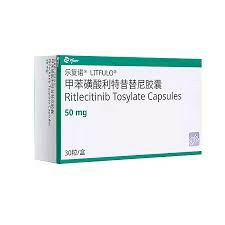
The Lao version of ritexitinib, as a prescription drug, is widely used to treat severe alopecia areata in adults and adolescents aged 12 years and above. However, like all medications, ritexitinib comes with a range of potential side effects, some of which can be quite serious. The following is a detailed introduction to the most serious possible side effects so that patients can fully understand and prepare accordingly before use.
First, ritexitinib may pose a serious risk of infection. While taking this medication, symptoms such as fever, unusual sweating or chills, muscle pain, worsening cough or shortness of breath, blood in the sputum, unexplained weight loss, and hot, red, or painful skin lesions or ulcers on the body may be signs of a serious infection. Once these symptoms occur, patients should immediately stop taking the medication and inform medical staff so that timely intervention can be performed to prevent serious threats to health.
Second, the drug also carries a risk of causing a heart attack or stroke. If a patient feels discomfort in the center of the chest that lasts for several minutes while taking ritexitinib, or severe tightness, pain, pressure, or heaviness in the chest, throat, neck, jaw, etc., as well as pain or discomfort in the arms, back, neck, jaw, or stomach, accompanied by symptoms such as shortness of breath, cold sweat, nausea or vomiting, dizziness, weakness in one part or side of the body, or slurred speech, this may be a precursor to a heart attack or stroke. At this point, the patient should seek emergency medical assistance immediately.
In addition, ritexitinib may cause blood clots to form. If a patient experiences swelling, pain, or tenderness in one or both legs during treatment, unexplained severe pain in the chest or upper back, shortness of breath or difficulty breathing, and sudden changes in vision, especially in only one eye, these may be signs that a blood clot has formed. Once these symptoms occur, patients should stop taking the drug immediately and seek medical examination.
In addition, allergic reactions are also potential risks of ritexitinib that cannot be ignored. If a patient develops symptoms of an allergic reaction such as hives, rash, difficulty breathing, dizziness, or swelling of the lips, tongue, or throat, this should cause immediate alarm. Patients should stop taking the drug immediately and go to the hospital for medical treatment to prevent further aggravation of allergic reactions.
Finally, it's worth noting that ritexitinib may increase a patient's risk of certain cancers, such as skin cancer, lymphoma, and lung cancer, by changing how the immune system works. Therefore, during the period of medication, patients should strictly follow the doctor's instructions, conduct regular skin examinations, and undergo necessary cancer screenings so that any potential health problems can be discovered and dealt with in a timely manner.
In summary, the potential serious side effects of the Lao version of ritexitinib require patients to pay high attention. During the medication process, patients should pay close attention to their physical condition. Once any symptoms of discomfort occur, they should seek medical consultation immediately and adjust the treatment plan under the guidance of a doctor.
References:
https://www.drugs.com/litfulo.html
xa0
[ 免责声明 ] 本页面内容来自公开渠道(如FDA官网、Drugs官网、原研药厂官网等),仅供持有医疗专业资质的人员用于医学药学研究参考,不构成任何治疗建议或药品推荐。所涉药品可能未在中国大陆获批上市,不适用于中国境内销售和使用。如需治疗,请咨询正规医疗机构。本站不提供药品销售或代购服务。


