
.jpeg)
Detailed explanation of capmatinib dosage duration and discontinuation criteria
Capmatinib (Capmatinib), as a specific targeted drug for METexon14 skip mutation non-small cell lung cancer (NSCLC), its duration of use is not fixed, but needs to be flexibly adjusted according to the patient's specific condition. At present, the medical community has not yet given clear standards regarding the medication cycle of capmatinib.
Generally speaking, as long as the patient's condition remains stable and Capmatinib is well tolerated, doctors usually recommend that the patient continue to take it to consolidate and maintain the therapeutic effect. However, once the patient's disease progresses, such as the tumor becoming resistant to the drug, resulting in a significant decrease in efficacy, it is imperative to discontinue capmatinib and switch to other treatment options. This resistance usually develops within 6 to 12 months after starting treatment, but the exact time varies from person to person.
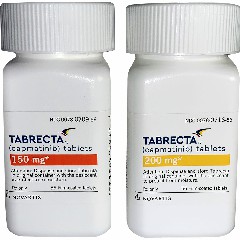
During the treatment of capmatinib, some patients may encounter serious adverse reactions, such as interstitial lung disease, severe liver function damage and other life-threatening symptoms. At this time, the doctor will consider suspending or completely stopping the medication based on the patient's specific situation. If the adverse reactions are relatively mild, the doctor may adjust the drug dose or take symptomatic treatment measures to enable the patient to continue receiving capmatinib treatment.
It is worth noting that a small number of patients may achieve a state of complete remission during treatment, that is, no tumor lesions are found on imaging examinations. For such patients, whether they need to continue taking medication must strictly follow the doctor's advice. Even if complete remission is achieved, there is still a risk of relapse after discontinuation of treatment, so patients need to receive regular follow-up monitoring.
For patients who discontinue capmatinib, whether due to treatment failure or complete remission, subsequent treatment and management are critical. Doctors may develop new treatment plans based on the patient's condition, such as switching to other targeted drugs, trying immunotherapy or chemotherapy, etc. At the same time, regular follow-up after drug withdrawal, including imaging examinations and genetic testing, is crucial to promptly detect changes in the condition and take appropriate treatment measures. Patients should maintain close communication with their doctors to ensure that their condition is effectively controlled.
xa0
Reference materials
Novartis. Capmatinib (Tabrecta) Prescribing Information.
[ 免责声明 ] 本页面内容来自公开渠道(如FDA官网、Drugs官网、原研药厂官网等),仅供持有医疗专业资质的人员用于医学药学研究参考,不构成任何治疗建议或药品推荐。所涉药品可能未在中国大陆获批上市,不适用于中国境内销售和使用。如需治疗,请咨询正规医疗机构。本站不提供药品销售或代购服务。


