
.jpeg)
Which generation of drug does capmatinib belong to?
Capmatinib is a selective MET inhibitor developed by Novartis for the treatment of cancers caused by MET gene abnormalities. As a precisely targeted drug, capmatinib is a second-generation MET inhibitor. Compared with the first generation MET inhibitors, it has higher selectivity and effectiveness, and shows significant inhibitory effects on tumor cells with MET exon 14 skipping mutations, while improving treatment resistance and side effect control.
Second-generationMETinhibitors, such as capmatinib, are highly selective for the MET signaling pathway. This type of drug can specifically inhibit the abnormal activation of the MET gene, thereby effectively preventing the proliferation and metastasis of tumor cells. In addition, second-generation drugs have optimized chemical structures, reducing non-specific inhibition of other enzymes, reducing the incidence of adverse reactions, while improving patient tolerance and efficacy.
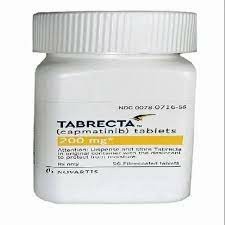
As a representative of the second generation MET inhibitors, capmatinib has shown excellent efficacy in the treatment of patients with non-small cell lung cancer (NSCLC) carrying MET exon 14 skipping mutations. In relevant clinical trials, the response rate of capmatinib was significantly higher than that of traditional therapies or first-generation MET inhibitors. Especially in patients who have not received treatment, its overall response rate (ORR) reached 68%, demonstrating strong anti-tumor activity.
Capmatinib is particularly suitable for patients with advanced or metastatic NSCLC who have METgene exon14 skipping mutations. This mutation leads to overactivation of the MET protein and is an important driver of tumor growth. By blockingMETsignaling pathway, capmatinib provides an effective treatment option for such patients, especially those who are ineffective or resistant to traditional treatments.
With the continuous advancement of targeted drug technology, capmatinib, as a second-generationMET inhibitor, has shown great potential in the treatment of non-small cell lung cancer. In the future, expanded research on other types of MET abnormalities may further broaden its application and provide precision treatment for more cancer patients.
xa0
Reference materials
United StatesFDAOfficial website:https://www.fda.gov
[ 免责声明 ] 本页面内容来自公开渠道(如FDA官网、Drugs官网、原研药厂官网等),仅供持有医疗专业资质的人员用于医学药学研究参考,不构成任何治疗建议或药品推荐。所涉药品可能未在中国大陆获批上市,不适用于中国境内销售和使用。如需治疗,请咨询正规医疗机构。本站不提供药品销售或代购服务。


