
.jpeg)
How long does it take to develop resistance to capmatinib?
Capmatinib (Capmatinib) is a targeted drug targeting MET gene mutations or amplifications. It is mainly used to treat MET driven non-small cell lung cancer (NSCLC). Although capmatinib can effectively inhibit tumor growth, some patients may develop drug resistance after long-term use. The occurrence of drug resistance is usually related to tumor cells evading the inhibitory effect of drugs through various mechanisms. The time to onset of drug resistance varies depending on individual differences and tumor characteristics, but usually ranges from a few months to a year.
The occurrence of capmatinib resistance is usually related to genetic mutations in tumor cells, changes in metabolic pathways, and new target mutations generated during treatment. For example, during capmatinib treatment, secondary mutations in the MET receptor may make it no longer inhibited by capmatinib, leading to drug resistance. In addition, tumor cells may evade the effects of capmatinib by activating other signaling pathways (such as the EGFR or PI3K/Akt pathways).
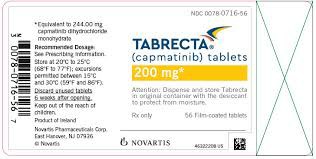
Clinical trial data indicate that resistance to capmatinib typically develops within 6 to 12 months of treatment. In the GEOMETRY mono-1 study, although most patients showed significant response after initiating capmatinib treatment, approximately 50% to 60% developed resistance within 12 months. After drug resistance develops, patients' tumors often progress rapidly, requiring subsequent treatment.
After capmatinib resistance, treatment options often include other targeted drugs, chemotherapy, or immunotherapy. For patients with drug-resistant MET-driven lung cancer, in addition to switching to other MET inhibitors, combination therapy or emerging treatments such as immunotherapy can also be considered. For example, the combination of certain MET inhibitors may help overcome drug resistance and extend patients' progression-free survival (PFS).
Although drug resistance is a major challenge in capmatinib treatment, with the continuous development of new drugs and treatment strategies, the drug resistance problem is expected to be alleviated. In the future, the combination of multiple treatment options, personalized treatment and the emergence of new targeted drugs may provide better treatment options for capmatinib-resistant patients. At the same time, further clinical research will help us better understand the mechanisms of capmatinib resistance and develop more effective solutions.
xa0
Reference materials
Official website of Novartis: https://www.novartis.com
[ 免责声明 ] 本页面内容来自公开渠道(如FDA官网、Drugs官网、原研药厂官网等),仅供持有医疗专业资质的人员用于医学药学研究参考,不构成任何治疗建议或药品推荐。所涉药品可能未在中国大陆获批上市,不适用于中国境内销售和使用。如需治疗,请咨询正规医疗机构。本站不提供药品销售或代购服务。


