
.jpeg)
Full analysis of the effects of selinesol
Selinexor (), an innovative oral selective nuclear export inhibitor, is gradually emerging in the field of cancer treatment. It mainly inhibits the function of XPO1 (nuclear export protein 1) and interferes with the protein transport process in tumor cells, thereby exerting a powerful anti-cancer effect. As a targeted drug, selinesol brings new treatment hope to patients with refractory diseases such as multiple myeloma (MM) and acute myeloid leukemia (AML).
1. Core mechanism: inhibitingXPO1 and blocking tumor growth
Selinesol’s anti-cancer efficacy stems from its unique mechanism of action—selective inhibition of XPO1. XPO1 is a key transporter protein responsible for transporting intracellular proteins from the nucleus to the cytoplasm. However, in many types of cancer, XPO1 is abnormally active, helping cancer cells evade cell cycle regulation and tumor suppressor functions. By inhibiting XPO1, selinesol effectively blocks a variety of tumor suppressor proteins in tumor cells (such as p53, < span>p21etc.) and the nuclear export pathway of transcription factors (such as NF-κBetc.). This allows these proteins that inhibit tumor growth to remain in the nucleus and exert their intended anti-cancer effects, thereby inhibiting the proliferation and survival of tumor cells.
2. New breakthroughs in the treatment of multiple myeloma
For patients with multiple myeloma, selinesol is undoubtedly a new treatment gospel. This aggressive blood cancer typically manifests as abnormal plasma cell proliferation in the bone marrow and is associated with serious complications such as anemia, hypercalcemia, and fractures. Through its specific effect of inhibiting XPO1, selinesol helps restore normal cell cycle regulation, significantly reduces the proliferation rate of malignant plasma cells in the bone marrow, effectively alleviates patients' symptoms, and improves the patient's survival rate to a certain extent.
In clinical practice, selinesol is often combined with other drugs such as dacarbazine (Dexamethasone) or other chemotherapy drugs are used in combination to delay the progression of the disease and improve the therapeutic effect. Multiple clinical studies have shown that selinesol has significant anti-tumor activity in patients with multiple myeloma, especially in those patients who are ineffective or relapsed with traditional chemotherapy, and its treatment response rate is particularly outstanding.
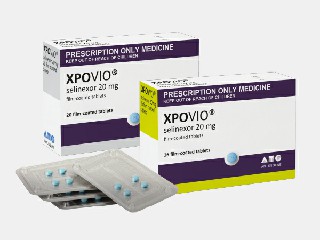
3. New options for treatment of acute myeloid leukemia
Acute myeloid leukemia (AML) is a malignant hematological tumor characterized by abnormal proliferation of white blood cells. For patients with relapsed or drug-resistant AML, treatment options are often limited. However, the emergence of selinesol has brought new hope to these patients. By inhibiting XPO1, selinesol can enhance the effect of tumor suppressors, effectively inhibit the growth and proliferation of cancer cells, thereby delaying the progression of the disease.
Clinical trial data show that selinesol has shown good efficacy in patients with relapsed or refractory AML, especially when combined with other drugs, it can produce significant synergistic effects. For those patients for whom traditional treatment options are ineffective, selinesol provides a new treatment option, and its clinical application value in the field of AML treatment cannot be underestimated.
4. Remarkable anti-tumor effect, helping to overcome drug resistance
Selinesol’s anti-cancer benefits are not limited to multiple myeloma and acute myeloid leukemia. It has also shown certain anti-tumor potential in other types of malignant tumors. By inhibiting the activity of XPO1, selinesol can restore the function of anti-tumor proteins in cells and effectively inhibit the proliferation of cancer cells. This mechanism is particularly important for treating drug-resistant cancers, such as tumors that have failed to respond to multiple chemotherapy treatments.
Studies have shown that selinesol can be used in combination with other chemotherapy drugs or targeted drugs to jointly overcome the drug resistance of some tumors and improve the overall treatment effect. In addition, selinesol has shown potential anti-tumor activity against many tumor types, including solid tumors, in in vitro studies, opening up broader prospects for its future clinical applications.
To sum up, selinesol, as an innovative targeted therapy drug, inhibits XPO1The activity of the protein has shown significant efficacy in the treatment of multiple myeloma and acute myeloid leukemia. Its unique anti-tumor mechanism can inhibit the proliferation of tumor cells, restore the function of anti-cancer proteins, and provide new ideas for the treatment of many drug-resistant tumors. Through combined use with other drugs, selinesol provides new treatment opportunities for patients with relapsed or refractory tumors and injects new vitality into the field of tumor treatment. In the future, with the in-depth research on selinesol and the expansion of clinical applications, we have reason to believe that it will play an important role in the treatment of more types of cancer and bring hope to more patients.
xa0
Reference materials
Karyopharm TherapeuticsOfficial website:https://www.karyopharm.com
National Medical Products Administration (NMPA) official website:https://www.nmpa.gov.cn
[ 免责声明 ] 本页面内容来自公开渠道(如FDA官网、Drugs官网、原研药厂官网等),仅供持有医疗专业资质的人员用于医学药学研究参考,不构成任何治疗建议或药品推荐。所涉药品可能未在中国大陆获批上市,不适用于中国境内销售和使用。如需治疗,请咨询正规医疗机构。本站不提供药品销售或代购服务。


