
.jpeg)
Possible adverse reactions of Mirikizumab
Mirikizumab (Mirikizumab)-Omvoh is a monoclonal antibody directed against interleukin-23 (IL-23). It is mainly used for the second-line treatment of moderately to severely active ulcerative colitis. Its mechanism of action is to reduce the inflammatory response by inhibiting the function of IL-23, thereby improving the clinical symptoms of patients. However, despite its remarkable efficacy, it may also be accompanied by some adverse reactions during use.
According to clinical studies, the most common adverse reactions of militizumab include upper respiratory tract infection, headache, rash, and injection site reactions. Upper respiratory tract infections usually present as discomfort in the nose and throat, and patients may experience cough, sore throat and other symptoms.
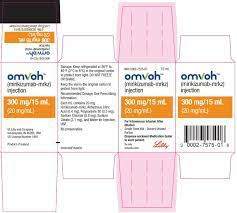
During the induction phase of treatment, studies with militizumab showed that upper respiratory tract infection and joint pain were the most common side effects. In addition to upper respiratory tract infections, injection site reactions, arthralgias, rashes, headaches, and herpes virus infections have been frequently reported during maintenance therapy. Herpes virus infection may cause skin lesions, and patients need to pay attention to these symptoms and seek medical attention promptly.
In addition, militizumab may cause more serious side effects, including allergic reactions, infections, and tuberculosis. In particular, militizumab should never be used in patients with active serious infections such as tuberculosis. This is because the drug suppresses the normal function of the immune system and increases the risk of infection. Therefore, before starting treatment, doctors need to conduct a thorough evaluation of the patient's infection history to ensure that they are suitable for this drug.
Other warnings and precautions of concern include hepatotoxicity and immunization issues. Militizumab may have certain effects on the liver, and liver function indicators need to be monitored regularly during use. At the same time, when receiving immunizations, patients should consult their doctors whether they are suitable for certain vaccines to avoid potential immune reactions.
Reference materials:https://www.drugs.com/history/omvoh.html
[ 免责声明 ] 本页面内容来自公开渠道(如FDA官网、Drugs官网、原研药厂官网等),仅供持有医疗专业资质的人员用于医学药学研究参考,不构成任何治疗建议或药品推荐。所涉药品可能未在中国大陆获批上市,不适用于中国境内销售和使用。如需治疗,请咨询正规医疗机构。本站不提供药品销售或代购服务。


