
.jpeg)
I have been taking Ohtuvayre (Ensifentrine) for 3 months. Can I stop taking Ensifentrine?
Ohtuvayre (Ensifentrine) - Ensifentrine is a new drug primarily used to treat chronic obstructive pulmonary disease (COPD) in adults. As an inhalant, it plays a significant role in reducing airway inflammation and improving bronchodilation by inhibiting the activity of phosphodiesterase 3 (PDE3) and phosphodiesterase 4 (PDE4). After using Ohtuvayre for three months, many patients may have questions about whether they can stop taking the drug. This is not only related to the patient's physical health, but also involves psychological adaptation and adjustment.
In the management of chronic obstructive pulmonary disease (COPD), continuation of drug therapy is critical, especially with newer drugs such as Ohtuvayre. COPD is a progressive disease characterized by airflow limitation and airway inflammation, symptoms that often worsen over time. According to clinical studies, especially the results of the ENHANCE study, exefantine has shown significant effects in reducing the incidence of acute exacerbations in COPD patients. In the study, Ohtuvayre significantly reduced exacerbation rates at week 24 in the ENHANCE-1 and ENHANCE-2 groups by 36% and 43%, respectively. These data indicate that continued use of exefantine can help prevent acute exacerbations that COPD patients may face, which is of great significance for stabilizing the disease and improving quality of life.
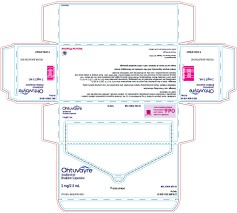
Althoughthe clinical benefits observed in the ENHANCE study are encouraging, caution is still needed in assessing risks after discontinuation of treatment. Patients who are at higher risk of acute exacerbations usually have a history of frequent exacerbations in the past. Therefore, their personal medical history, current condition, and medication response must be fully evaluated before deciding to discontinue medication. Even though patients may experience symptom relief at some stage after using Ohtuvayre for three months, this does not mean that COPD is completely cured or that drug intervention is no longer needed. Once the drug is discontinued, especially without replacement therapy, patients may experience a rapid recurrence of symptoms and even severe breathing difficulties.
In addition, the anti-inflammatory mechanism of exefantine is still controversial. Some studies have pointed out that exefantine may induce a certain anti-inflammatory effect in healthy subjects, but its specific effect in COPD patients still needs to be further explored. Nonetheless, there is evidence that long-acting bronchodilators are effective in preventing COPD exacerbations, and exefentine may work through a similar mechanism. Therefore, after stopping the drug, patients may lose this protective effect against acute exacerbations, leading to worsening of the condition.
In addition to drug factors, the patient's lifestyle and environment will also affect the patient's healthimpact on the course of COPD. Quitting smoking, maintaining appropriate physical activity, and eating well are all important steps to help manage the condition. Therefore, even during the phase of using Ohtuvayre, patients should focus on these non-pharmacological interventions to enhance overall health.
Reference materials:https://pmc.ncbi.nlm.nih.gov/articles/PMC10449076/
[ 免责声明 ] 本页面内容来自公开渠道(如FDA官网、Drugs官网、原研药厂官网等),仅供持有医疗专业资质的人员用于医学药学研究参考,不构成任何治疗建议或药品推荐。所涉药品可能未在中国大陆获批上市,不适用于中国境内销售和使用。如需治疗,请咨询正规医疗机构。本站不提供药品销售或代购服务。


