
.jpeg)
Spasentan/Sparsentan Efficacy and Potential Risks
Sparsentan/Sparsentan is a cutting-edge drug developed by Travere Therapeutics. It belongs to the dual endothelin angiotensin receptor antagonist (DEARA) category. In recent years, sparsentan has attracted much attention for its excellent performance in the treatment of immunoglobulin A (IgA) nephropathy. It received accelerated approval in February 2023 and is specifically used to reduce proteinuria in adult patients with primary IgA nephropathy who are at risk of rapid disease progression. This landmark approval marks an important step in the treatment of IgA nephropathy, as spaxentan is the first and currently the only non-immunosuppressive therapy approved for this disease.
ImmunoglobulinA (IgA) nephropathy, commonly known as Berger's disease, is characterized by the deposition of abnormally structured IgA in the glomeruli. This deposition triggers a local inflammatory response, which in turn damages the glomerulus and leads to its dysfunction. Typical symptoms include hematuria and proteinuria. According to statistics, about 30% to 40% of patients with IgA nephropathy may develop kidney failure within 20 to 30 years after diagnosis. Therefore, early and effective treatment is crucial to improve the prognosis of patients.
The uniqueness of sparsentine lies in its dual mechanism of action. The drug antagonizes both the endothelin-1 (ET-1) receptor and the angiotensin II (Ang II) receptor. This dual inhibitory effect helps reduce the hypertensive state of the kidneys and reduces proteinuria, thereby protecting kidney function. Clinical trial results show that sparsentan can significantly reduce the ratio of urine protein to creatinine (UP/C) and has a positive impact on improving the renal prognosis of patients with IgA nephropathy.
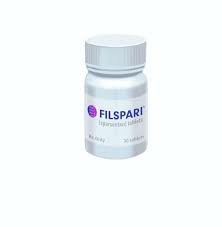
The approval of sparsentan is based on interim results from the ongoing Phase III PROTECT study. The primary purpose of the study is to evaluate the safety and effectiveness of sparsentane in the treatment of IgA nephropathy. In the study, the recommended starting dose is 200 mg once daily, which can be increased to 400 mg once daily after 14 days based on patient tolerance.
Although sparsentane has demonstrated significant therapeutic effects in clinical trials, it is still necessary to pay attention to its possible side effects in practical applications. Some common side effects include swelling of the limbs, low blood pressure, dizziness, hyperkalemia, anemia, kidney damage, and increased levels of liver enzymes in the blood. These side effects are closely related to the effects of the drug on the kidneys and liver, especially when used in combination with strong CYP3A inhibitors, which require more careful monitoring and dose adjustment.
In addition, sparsentan carries a certain risk of hepatotoxicity and embryo-fetotoxicity, and caution needs to be exercised especially when used during pregnancy. Therefore, before starting treatment, a comprehensive assessment of the patient's health status must be carried out, and the patient must be fully informed of the possible risks to ensure the safe use of the drug.
As a new star in the field of IgA nephropathy treatmentSparsentan provides doctors and patients with a new treatment strategy. Its unique dual mechanism of action and relatively good tolerability make it stand out among many traditional treatment options. However, we still need to remain highly vigilant when using this drug and pay close attention to possible side effects and risks. In clinical practice, we should tailor a personalized treatment plan according to the patient's specific situation to maximize the therapeutic effect of sparsentane and thereby improve the patient's quality of life.
Reference materials:https://pmc.ncbi.nlm.nih.gov/articles/PMC10232600/
[ 免责声明 ] 本页面内容来自公开渠道(如FDA官网、Drugs官网、原研药厂官网等),仅供持有医疗专业资质的人员用于医学药学研究参考,不构成任何治疗建议或药品推荐。所涉药品可能未在中国大陆获批上市,不适用于中国境内销售和使用。如需治疗,请咨询正规医疗机构。本站不提供药品销售或代购服务。


